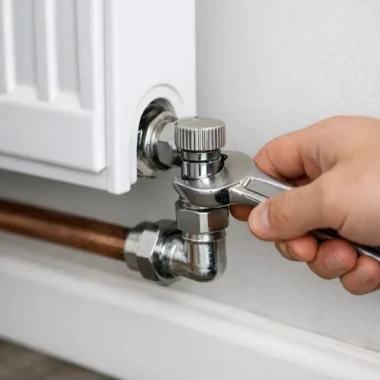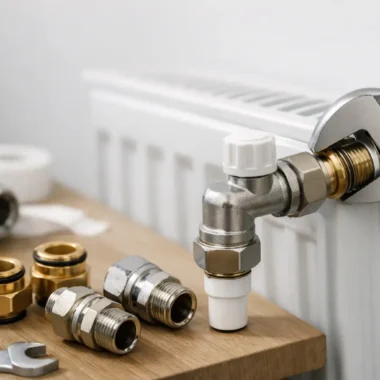
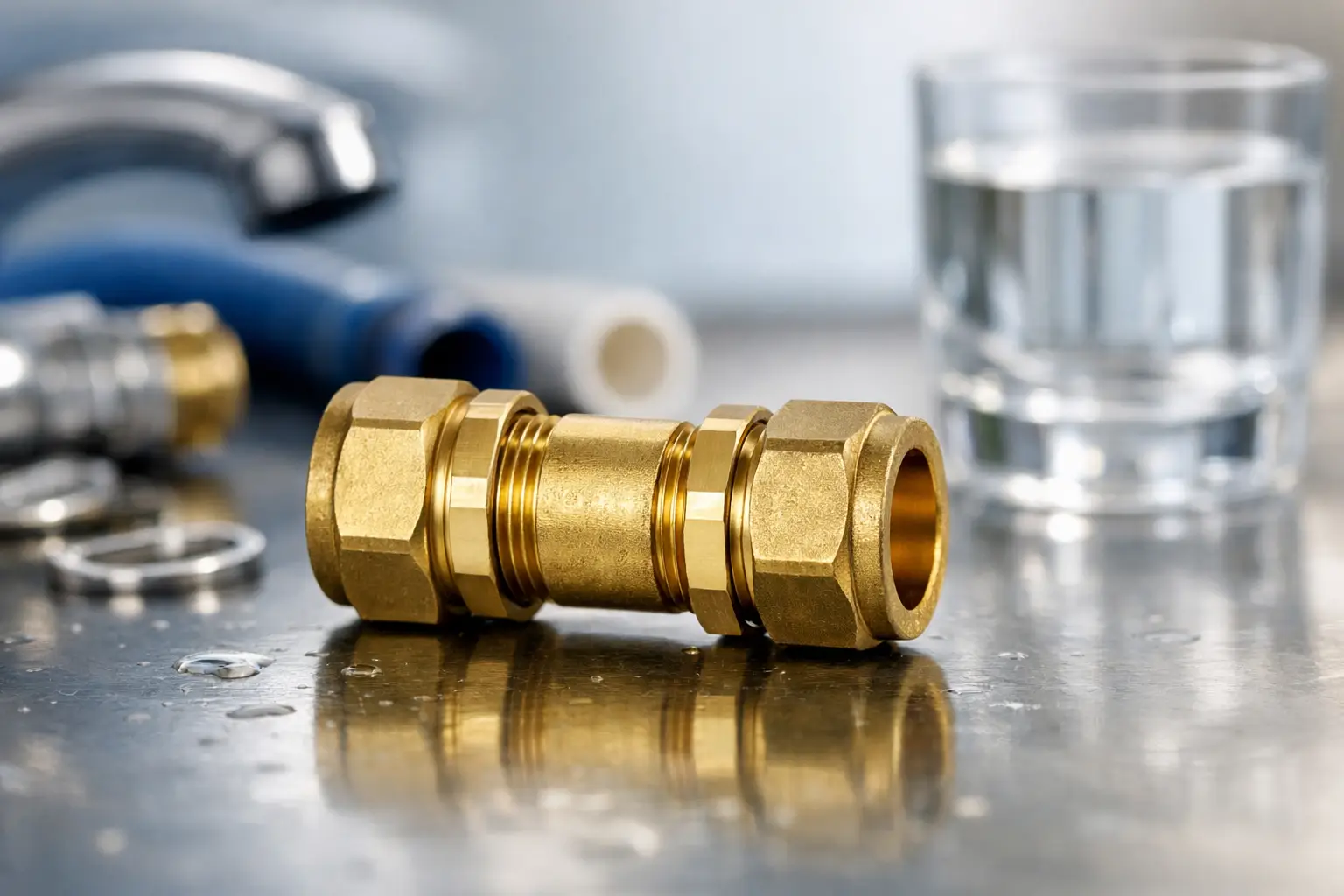
A brass compression straight coupling WRAS approved is a practical choice when you need to join two equal-size pipes on a potable water line without soldering, pressing or specialist tools. It is a small fitting, but selecting the wrong size, material or approval status can hold up a first-fix, create a leak risk or leave a drinking-water installation short of the required specification.
For trade work, the key is not simply finding a brass straight coupling. Confirm the pipe outside diameter, the pipe material, the intended water application and the specific product approval before it goes in the basket.
What a brass compression straight coupling does
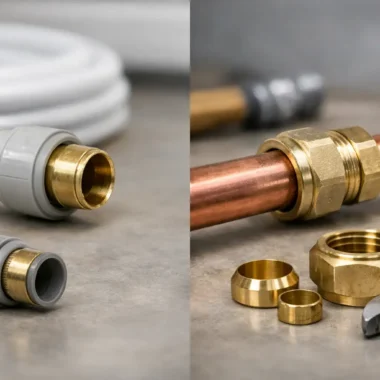
A straight coupling joins two lengths of pipe in a direct line. With a compression fitting, each pipe end enters one side of the fitting body. Tightening the nut compresses an olive around the pipe, forming a mechanical seal.
This makes compression couplings useful for repair work, alterations and final connections where flame-free installation is preferred. They are widely used on copper pipe and, when the fitting and insert are suitable, can also be used with selected plastic plumbing pipe systems.
The term straight matters. This fitting does not change direction like an elbow, create a branch like a tee, or alter the pipe diameter like a reducing coupling. Both ends are intended for the same nominal pipe size, such as 15 mm to 15 mm or 22 mm to 22 mm.
Why WRAS approval matters on potable water work
WRAS approval provides evidence that a product has been assessed for use in contact with drinking water under the UK water fitting requirements. For installers and maintenance teams, it offers a clear way to identify fittings suitable for wholesome water applications, provided they are installed within the conditions covered by the approval.
That distinction is important. WRAS approval applies to a defined product, material configuration and use. A brass fitting that looks similar is not automatically approved, and an approved coupling may have restrictions relating to temperature, pressure, pipe type or installation method. Check the current product specification rather than relying on a generic description or an older fitting from van stock.
For work in England and Wales, fittings used on plumbing systems connected to the public water supply must comply with the Water Supply (Water Fittings) Regulations. Scotland operates under separate Water Byelaws. In practice, WRAS-approved products are commonly specified as a straightforward route to demonstrating suitability, especially on potable cold and hot water systems.
WRAS approval is not a substitute for correct workmanship. A damaged pipe end, a missing pipe insert or an over-tightened nut can still cause failure. Approval confirms the product’s suitability within its tested scope, not the quality of the installation.
Selecting the right WRAS-approved straight coupling
Start with size. Compression sizes refer to the outside diameter of the pipe, not the internal bore. A 15 mm straight coupling fits 15 mm OD pipe on both sides. A 22 mm coupling fits 22 mm OD pipe. Measure if there is any doubt, particularly on older properties where pipework may have been altered over several decades.
Next, confirm the pipe material. Standard brass compression fittings are a familiar choice for copper tube. If connecting plastic pipe, check that the manufacturer permits compression connections and use the correct pipe support insert. Plastic pipe must be cut square and fully supported. Do not assume a copper olive arrangement will perform correctly on every plastic system.
Also consider the installation environment. A coupling used inside an accessible kitchen cupboard has different practical demands from one installed beneath a floor, in a service riser or within a boxed-in bathroom wall. Compression fittings are serviceable, which is useful for repairs, but concealed connections should be planned carefully and fitted in line with the relevant system guidance.
For domestic potable water, choose a coupling explicitly described as WRAS approved, then check the product details for the relevant size and application. If a job specification calls for a particular manufacturer or approval reference, match it exactly. Substituting a visually similar fitting can cause problems at inspection or handover.
Brass grade and fitting construction
Brass is used because it is durable, machinable and well suited to threaded compression assemblies. The fitting body, nuts and olives work together to hold the pipe and create the seal. Quality matters: clean threads, correctly formed seats and consistent dimensions make installation more predictable.
A brass compression coupling is not necessarily the best answer everywhere. On a long run of new copper pipe, press-fit or soldered joints may be quicker or more suitable depending on site conditions and company practice. For a tight repair where water cannot be fully cleared from the pipe, a compression fitting can be the more realistic option. The right choice depends on access, pipe condition, approval requirements and the method specified for the job.
Installing a brass compression straight coupling correctly
Good preparation prevents most compression joint failures. Isolate the supply, drain the section as required and cut the pipe square. Remove burrs inside and outside the cut end. A sharp edge can damage the olive, restrict flow or stop the pipe seating fully in the coupling.
Push the nut onto the pipe first, followed by the olive. Insert the pipe fully into the fitting body so it reaches the internal stop. Then bring the olive and nut up to the body and tighten by hand before using spanners.
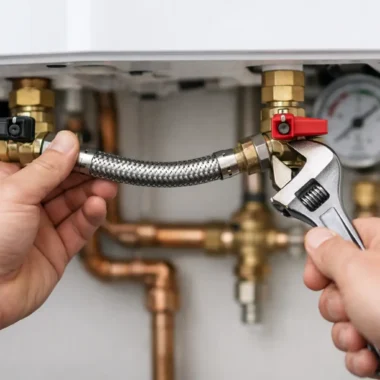
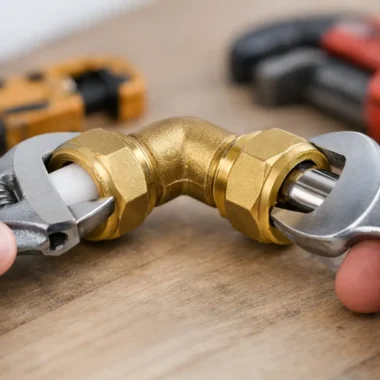
Use one spanner to hold the fitting body and another to tighten the nut. This avoids transmitting torque into the connected pipework. Tighten to the fitting manufacturer’s instructions where available. Excessive force can distort the olive, damage threads or make future disassembly difficult. Under-tightening, on the other hand, can leave a weep that may not show until the system is back at operating pressure.
PTFE tape is not normally used on a standard compression olive joint. The seal is made by the olive compressing onto the pipe, not by a thread sealant on the nut. Adding tape to the thread will not correct poor pipe preparation or a damaged sealing surface.
Once the connection is made, restore the supply gradually and inspect both sides under pressure. Wipe the fitting dry before checking, as residual water can disguise a slow leak. On hot water lines, check again after the system has warmed through, as temperature change can reveal a marginal joint.
Common buying and installation mistakes
The most frequent error is ordering a reducing coupling when a straight coupling is needed, or vice versa. Check both pipe sizes before ordering. A 15 mm x 22 mm fitting is a reducer, not a straight equal coupling.
Another common issue is treating all brass compression fittings as suitable for drinking water. Heating-only or general-purpose fittings may not meet the specification required for a potable water installation. Select the WRAS-approved version where the line carries water for drinking, cooking, washing or food preparation.
Reusing olives can also create trouble. On an emergency repair, it may be tempting to remake a joint using an old olive already compressed onto the pipe. It can work in limited circumstances, but a new olive is generally the safer option if the fitting is being renewed or the pipe is cut back. If the pipe is scored, misshapen or corroded, cut it back to sound material before making the connection.
Finally, do not mix fitting components casually. A nut, olive and body from different manufacturers may appear interchangeable, but tolerances vary. Keeping the supplied components together gives the best chance of a proper seal and preserves the fitting’s stated performance.
When to use one and when to choose another fitting
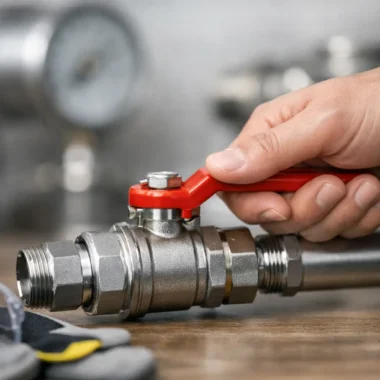
Use a straight compression coupling when joining two matching pipe sizes in line, particularly for accessible repairs, extensions and alterations. Choose a reducing coupling where the pipe diameters differ, an elbow where the route turns, and a tee where a branch is required.
For potable water work, product approval should be part of the selection process from the outset, not an afterthought once the fitting is on site. Checking the size, pipe compatibility and WRAS status before ordering saves a return journey and helps keep the job moving. Mepstock’s specification-led product listings are designed to make that check quicker when you need a precise replacement fitting.
A properly selected coupling should disappear into the job: correct size, clean pipe preparation, a controlled tighten-up and a dry pressure test. That is the standard worth working to, whether it is a one-joint repair or part of a full plumbing installation.