
An exposed pipe run leaves very little room for a poor finish. A chrome compression straight coupling WRAS approved pipe connector gives you a practical way to join two matching sections of chrome-plated copper tube while keeping the connection suitable for a potable-water installation – provided the exact fitting is approved for the intended use.
It is a small component, but getting it wrong can mean a visible mismatch, a weeping joint, or a fitting that is unsuitable for the water supply. For plumbers, maintenance teams and competent DIY buyers, the key is to check the pipe, approval, size and installation method before ordering.
What a chrome compression straight coupling does
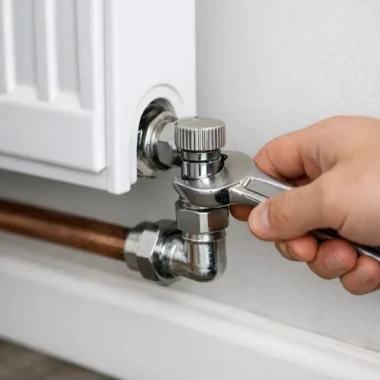
A straight coupling joins two pipes in line. Unlike an elbow or tee, it does not change the direction of flow or create a branch. In chrome finish, it is generally selected where pipework remains on show, such as beneath a basin, behind a toilet, around a radiator valve connection or in a utility area with surface-mounted pipework.
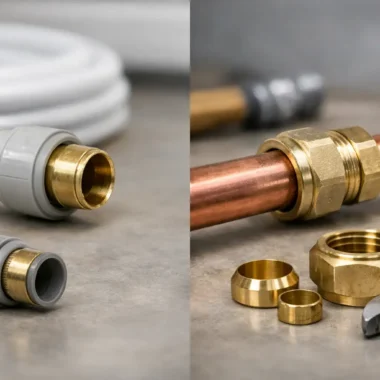
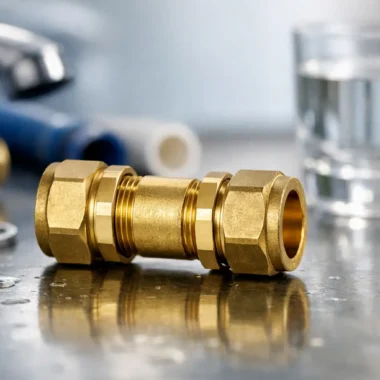
The fitting normally comprises a chrome-plated brass body, two compression nuts and two olives. When each nut is tightened, the olive is compressed around the pipe and forms the seal. This makes it useful for repairs and alterations where soldering is inconvenient, where there is a need to avoid hot works, or where the pipe cannot easily be removed for a one-piece replacement.
A straight compression coupling is intended for pipes with the same outside diameter at both ends. If you are joining different sizes, use a reducing coupling instead. If the pipe needs to turn a corner, use a matching elbow. Choosing the correct geometry at the outset avoids forcing pipework into position and putting strain on a finished joint.
WRAS approval: check the exact product
WRAS approval matters where the fitting will be used on a domestic cold-water supply, wholesome water line or another application where water regulations apply. It provides assurance that a specific fitting, material or assembly has been assessed against the relevant requirements for contact with water and for its intended conditions of use.
The point to remember is that “chrome” and “compression” do not automatically mean WRAS approved. Approval applies to the individual product and may be tied to particular sizes, materials, temperature limits, pressure limits or installation arrangements. A similar-looking coupling without that approval should not be treated as interchangeable on a potable-water job.
Check the current product specification rather than relying on an old invoice, packaging from a previous purchase or a general description for a range. This is particularly relevant where you are replacing a visible fitting and need the finish to match, but the line is also part of the drinking-water supply. Appearance is not a substitute for compliance.
WRAS approval also does not remove the need for a compliant installation. The pipework layout, isolation arrangements, protection against contamination and any other components fitted on the system still need to meet the requirements of the job.
Confirm the pipe size before you buy
In UK domestic plumbing, 15 mm is the common size for chrome-plated copper tube below sanitaryware. However, do not assume every exposed line is 15 mm. Larger 22 mm pipework is common on some heating circuits and service runs, while older work and specialist installations can vary.
Measure the outside diameter of the pipe, not the visual width of the chrome finish or the size of a nearby valve nut. A 15 mm compression coupling is designed for 15 mm outside-diameter pipe. It will not reliably seal on a different size simply because the pipe appears close.
Also identify what the pipe is made from. Chrome compression fittings are commonly used with copper or chrome-plated copper tube. If you are connecting to plastic pipe, the pipe manufacturer’s guidance and the fitting specification must permit that combination. The correct pipe insert is usually required, and a chrome coupling may not be the best choice where the pipe itself will not be visible.
When replacing only a damaged coupling, inspect the existing pipe ends. Deep scoring, an out-of-round section, corrosion beneath an old olive or paint on the sealing area can prevent a good seal. Cutting back to clean, sound pipe may be necessary, so allow enough length before starting the repair.
Installing a chrome compression straight coupling
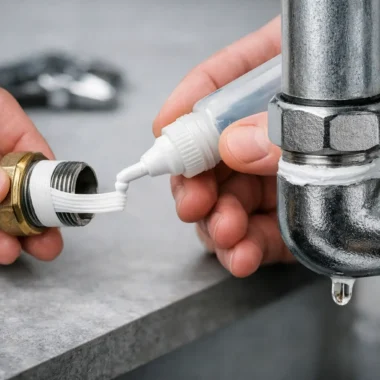
A compression joint does not need thread sealant on the olive. The seal is made by the olive gripping the pipe, not by the threaded nut. PTFE tape on compression threads is generally not required and can make future maintenance more difficult.
Start by isolating the water supply and draining the section of pipe. Cut the pipe squarely using a suitable pipe cutter, then remove internal and external burrs. A clean, square cut helps the pipe enter the fitting fully and prevents a sharp edge from damaging the olive or restricting flow.
Slide the nut onto the pipe followed by the olive. Push the pipe fully into the coupling body. It should reach the internal stop; do not leave a gap because the joint looks aligned from the outside. Repeat the process at the other end, ensuring both pipe lengths sit straight and are adequately supported.
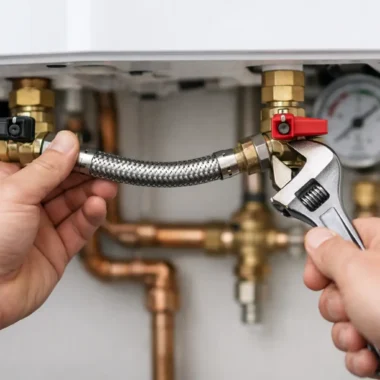
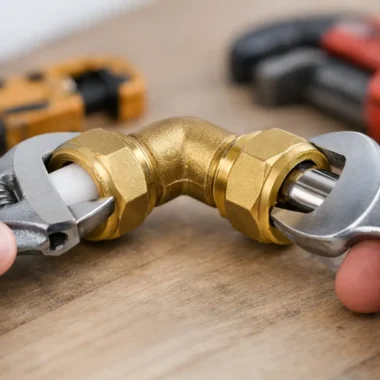
Tighten the nut while holding the fitting body with a second spanner. This prevents the coupling from twisting the pipework or transferring force to a nearby valve, tap tail or appliance connection. Tighten firmly in accordance with the fitting manufacturer’s instructions, then test under pressure. If a very small seepage remains, make a careful minor adjustment rather than overtightening the fitting.
Overtightening is one of the most common compression-joint problems. It can distort the olive, mark the chrome finish, damage threads or make later removal unnecessarily difficult. The aim is a sound seal, not the maximum possible torque.
Keeping the finish consistent on exposed pipework
Chrome-plated fittings are often bought for the visible result, so check the surrounding components before committing to a repair. Chrome plating on a coupling will usually complement chrome-plated pipe, radiator valves and tapwork, but shades and surface lustre can vary between manufacturers. A polished fitting can look noticeably different alongside satin or brushed finishes.
Position the coupling where it can be accessed for inspection. Hiding a compression joint behind a fixed panel or inside a wall is not good practice unless the installation method and access provision are specifically suitable. A leak from an accessible joint is an inconvenience; a slow leak behind a finished surface can become a costly call-back.
Keep cleaning straightforward. Wipe chrome with a soft cloth and mild cleaner, then dry it. Abrasive pads and aggressive chemicals can dull or damage the plating, especially around the nut flats and joint line where water residue tends to collect.
When a compression coupling is the right choice
A chrome compression straight coupling is a sensible option for a visible, same-size connection on compatible pipe, particularly when speed and a clean finished appearance matter. It works well for replacing a short section, extending exposed pipework or making an accessible repair without soldering.
It is not always the answer. Concealed pipework, restricted access, incompatible materials, high-temperature applications or a requirement for a different connection type may point to another fitting. Check the system duty, pipe material and product data before treating a visually similar connector as a direct substitute.
For a potable-water connection, buy the correctly sized WRAS-approved fitting, prepare the pipe properly and leave the completed joint accessible for testing. That small amount of checking is what keeps a neat chrome repair from becoming the next maintenance visit.