
A leaking or seized service valve can turn a simple repair into a full shutdown, which is why the right British Standard brass compression stop tap WRAS-approved water isolation valve matters more than its long product name suggests. If you are replacing an old internal stop tap, fitting isolation on a branch line, or specifying parts for a domestic water system, the details around material, approval, connection type and sizing make the difference between a clean install and a call-back.
This is one of those products that often gets bought in a hurry. The problem is that not every isolation valve described in similar terms is interchangeable. A stop tap, a stopcock and an isolation valve can overlap in everyday trade language, but the actual product design, intended use and compliance point still need checking before you order.
What a British Standard brass compression stop tap is actually for
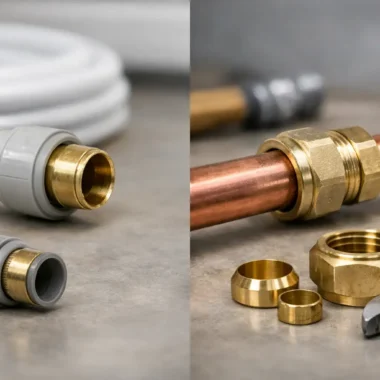
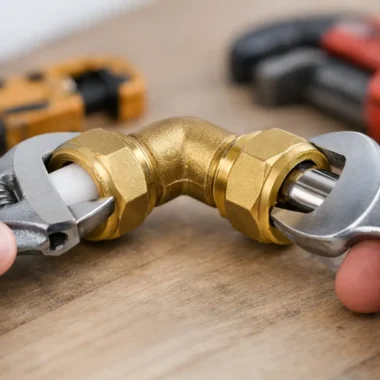
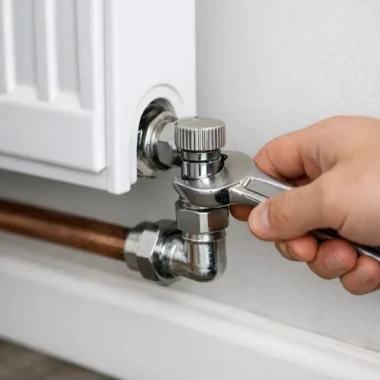
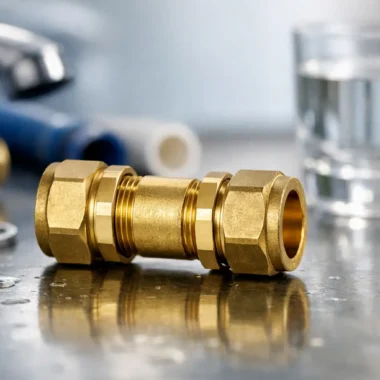
In practical terms, a brass compression stop tap is used to control and isolate water flow in a pipe run without soldering. The compression ends allow connection to copper pipe by tightening nuts and olives onto the pipe, which keeps installation straightforward for both replacement work and new plumbing layouts.
Where British Standard specification comes into play is consistency. For UK installers, that usually means the valve is built around dimensions, threads and performance expectations suited to established domestic plumbing systems. It does not automatically mean every old installation will match perfectly, but it does reduce the guesswork compared with generic or poorly described imports.
For most internal potable water applications, brass remains the standard material because it is durable, machinable and reliable under normal domestic pressures and temperatures. A decent body casting, clean threads and well-machined seats matter just as much as the label on the packet. If the valve feels light, roughly finished or vague on specification, that is often a warning sign.
Why WRAS-approved water isolation valve spec matters
If the valve is being used on wholesome water, WRAS approval is not just a box-ticking extra. A WRAS-approved water isolation valve gives confidence that the materials and product design are suitable for contact with drinking water in line with UK water regulations requirements.
That matters on residential work, landlord maintenance, housing stock repairs and any job where compliance can be queried later. For trade buyers, WRAS approval also helps when you need to justify the component choice quickly. It is one less argument on site and one less issue at handover.
It is still worth checking what exactly is approved. In some cases, the approval may apply to a product range, specific sizes, or a particular configuration. If you are buying for a strict spec or commercial maintenance contract, read the product data rather than relying on a broad title alone.
Choosing the right British Standard brass compression stop tap WRAS-approved water isolation valve
The first check is size. In UK domestic plumbing, 15mm and 22mm are the usual requirements, and getting this wrong is still one of the most common ordering mistakes. If the existing pipe is metric copper, a standard compression stop tap is usually a straightforward match. If you are dealing with older imperial pipework, adaptors or a different valve choice may be needed.
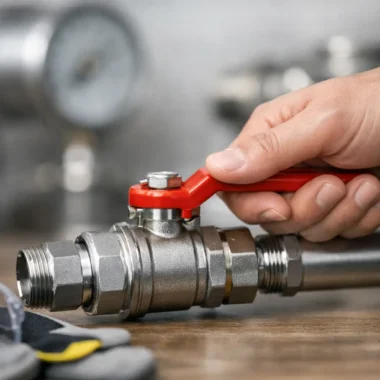
The second check is application. A full stop tap used as the main internal shut-off point is not always the same as a compact isolation valve for a branch connection or appliance feed. If you need frequent operation, look for a valve designed to be turned reliably over time rather than one likely to stiffen if left untouched for years.
The third check is pressure and build quality. Domestic water systems can be more demanding than they first appear, particularly in properties with higher incoming mains pressure. A cheap valve may hold initially but fail early through gland seepage, poor spindle action or body weakness. On service work, the labour cost of going back usually outweighs any small saving on the valve itself.
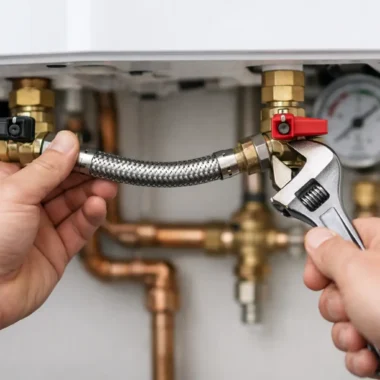
A fourth point is accessibility. Compression stop taps are useful because they are serviceable and do not require heat, but they still need room for tightening and future maintenance. In tight cupboards, behind boxing or under kitchen units, valve shape and handle clearance can matter as much as the connection type.
Compression connection versus other valve types
Compression is popular for a reason. It is fast, familiar and avoids hot works. On occupied properties, especially where there are finished surfaces, timber framing or limited drainage-down time, that can be the right call.
That said, compression is not automatically the best answer everywhere. Solder end valves can give a neater permanent result where heat is not a problem and access is open. Push-fit options are quicker still in some situations, but product preference often comes down to installer confidence, the surrounding pipework and whether the job needs to be future-serviceable.
For a stop tap on a copper line in a typical domestic setting, brass compression remains a sensible default because it balances speed, reliability and ease of replacement. It also suits maintenance stock because one valve can cover a wide range of common repair work without specialist tools.
What to look for in product specification
A good listing should tell you more than the headline product name. You want clear information on body material, size, compression ends, approval status and intended use on potable water systems. If the valve is marketed as British Standard, there should be enough technical detail to support that claim.
Look for signs of proper quality control such as defined operating pressure, temperature range and a clear statement of WRAS approval where relevant. Even on a small component, vague specification usually means vague accountability.
Trade buyers also tend to look for consistency in the machining and finish. Compression nuts should run cleanly on the threads, the spindle should operate smoothly, and the valve should feel properly weighted. A stop tap is a simple component, but poor tolerances show up quickly once it is on the pipe.
Installation points that save trouble later
The main practical rule is not to overtighten. Compression fittings seal by controlled compression on the olive, not brute force. On brass valves, overtightening can distort components, create future leaks and make later maintenance more difficult.
Always make sure the pipe is clean, cut square and fully inserted. If the old pipe is scored, out of round or carrying old olive marks in the wrong place, you may be better off cutting back and making a fresh joint. Trying to save 20mm of pipe can cost far more time if the joint weeps after refill.
Where the valve is replacing an existing internal stop tap, pay attention to flow direction if marked. Also check that the valve can be operated once installed. It sounds obvious, but awkwardly positioned stop taps are still common on retrofit jobs.
On potable water systems, use components that match the intended standard throughout the joint, not just in the valve body. Approval and performance are only as good as the full assembly on the pipe.
When this valve is the right choice – and when it is not
For domestic copper pipework, maintenance work, straightforward upgrades and general water isolation, a British Standard brass compression stop tap is often the most practical option. It suits installers who need a dependable part that can be identified quickly, fitted without soldering and trusted on normal UK water systems.
It may be less suitable where the pipe material differs, where there is severe corrosion in existing pipework, or where access is so limited that a different valve format would be easier to install and operate. On older mixed-material systems, it is worth checking the whole section rather than replacing one valve and hoping the surrounding joints hold.
If you are stocking common service parts, this is the kind of product that earns its place because it solves routine problems without complication. That is exactly why specification still matters. A correctly sized, WRAS-approved, properly made brass compression stop tap saves time on first fix, repair work and future servicing.
For buyers who need to source parts quickly, Mepstock’s style of clear, technical product naming is useful here because this is not a component you want to decode twice. The more precise the listing, the faster you get the right valve on site.
When you are choosing any water isolation valve, buy for the job in front of you, not just the wording on the label. Get the size right, check the approval, make sure the build is up to standard, and the valve will usually stay unnoticed for years – which is exactly what a good stop tap should do.