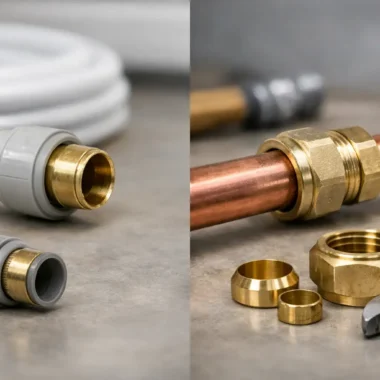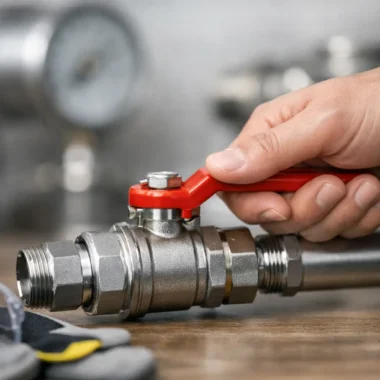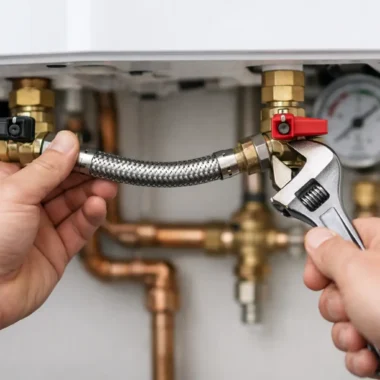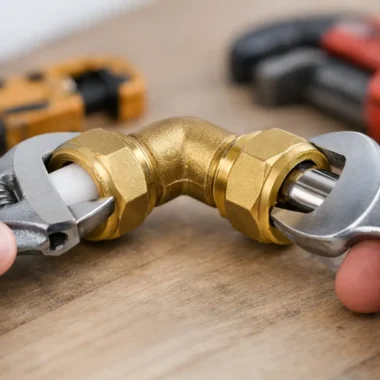
On a live job, the wrong fitting does more than waste ten minutes – it can stop commissioning, trigger a return visit, and leave you chasing a part that should have been right first time. That is why copper material press fitting for gas matters to installers who need a dependable jointing method, clear compatibility, and stock they can get quickly.
For UK plumbing and heating work, gas press systems have moved well beyond being a niche option. They are now a practical choice on many domestic and light commercial installations, especially where speed, consistency, and reduced hot works are priorities. But as with any gas component, the detail matters. Material, approval, jaw profile, pipe compatibility, operating limits, and installation method all need checking before the fitting goes anywhere near the pipe.
Where copper material press fitting for gas is used
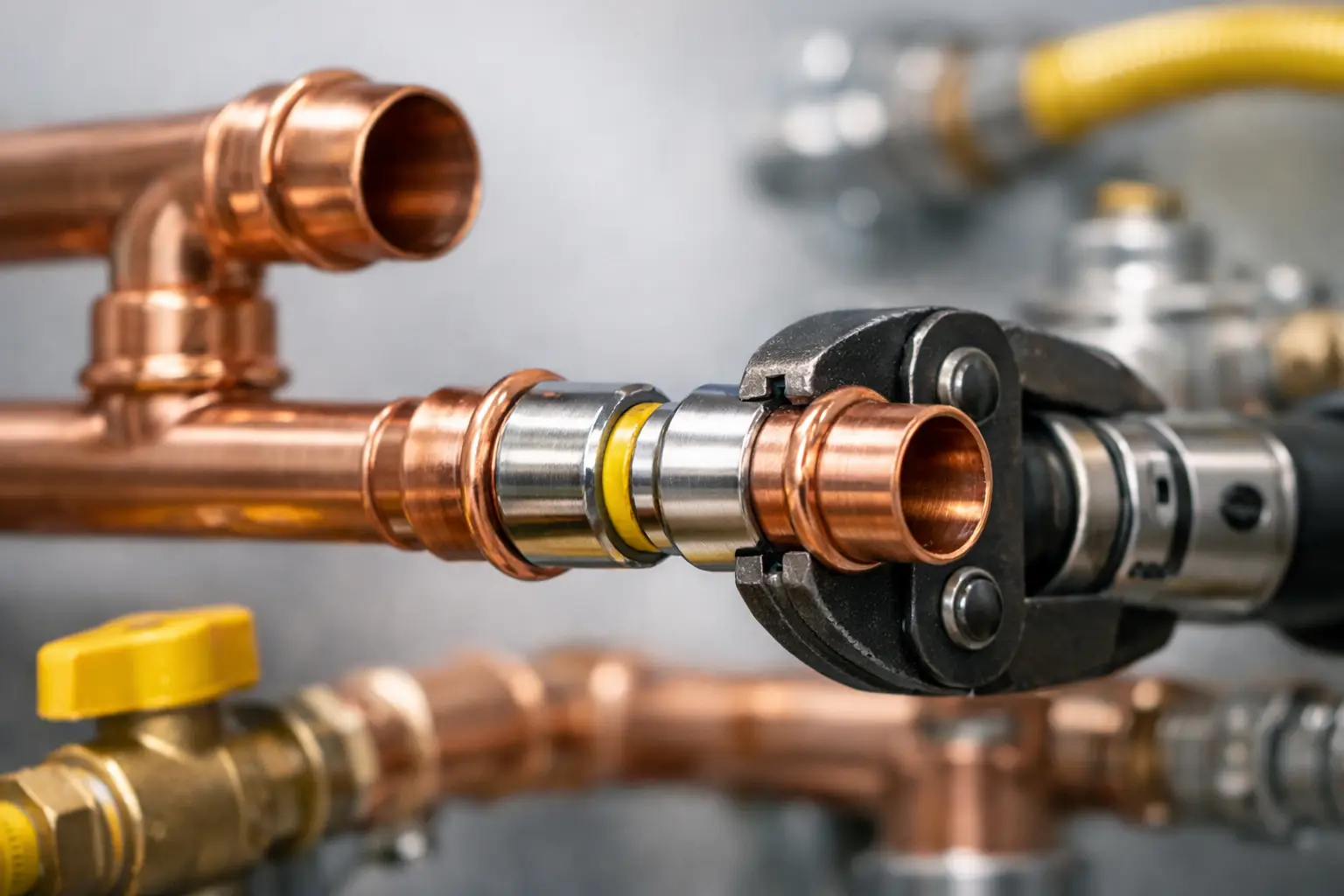
A copper material press fitting for gas is generally used to create a permanent mechanical joint on copper gas pipework without soldering or brazing. In the right system, that means faster assembly, less disruption in occupied properties, and a cleaner working process where using a flame is awkward or restricted.
That makes press fittings particularly useful in refurbishment work, boiler changes, meter connection alterations, and first fix or second fix runs where access is tight. They can also help on jobs where protecting finishes is a concern, such as kitchens, utility rooms, plant cupboards, and completed residential spaces.
The appeal is straightforward. You cut the pipe, deburr it, mark insertion depth, assemble the fitting, and press it with the correct tool and jaw. Compared with traditional capillary work, that can save time across multiple joints. On repetitive installations, the time difference is noticeable.
Why copper remains a common choice for gas press fittings
Copper is familiar, widely specified, and well understood across UK plumbing and heating trades. It offers good corrosion resistance in normal service conditions, works neatly with established copper tube sizes, and suits the kind of internal gas distribution work many installers carry out every week.
For press systems, copper fittings also give a balance of strength and practical handling. They are rigid enough for permanent pipe runs, easy to store and identify, and available in the common configurations installers actually use – elbows, tees, couplers, reducers and adaptors.
That said, material choice is never just about tradition. It needs to match the application. If the system design, site conditions, or manufacturer instructions point you elsewhere, that takes priority. Gas work is not the place for assumptions based on what was used last time.
What to check before you buy
The first point is approval for gas use. Not every press fitting is suitable for gas, even if it looks similar to a water fitting. Gas-rated products are designed and tested for that application and normally include clear identification, sealing element specification, and manufacturer guidance on use with approved tooling.
Next is pipe compatibility. Most buyers are working with copper tube, but you still need to confirm the exact size range and system match. A 15mm or 22mm fitting sounds simple enough, yet tolerances, wall thickness expectations, and brand-specific requirements can still affect the outcome if components are mixed carelessly.
Jaw profile is another common checkpoint. Press systems are not interchangeable by default. If the fitting is designed around a particular profile, the press tool and jaws need to match the manufacturer specification. Using the wrong jaw is not a minor detail – it can compromise the joint.
You also need to check the sealing element. Gas press fittings use seals suited to gas service, and those seals must match the intended operating conditions. Temperature range, medium, storage conditions, and age on site all matter. If a fitting has been badly stored, contaminated, or damaged before use, it should not be going into a gas line.
For trade buyers ordering online, this is where a specification-led product listing saves time. Clear sizing, material details, application, and product naming help you identify the correct fitting without second-guessing.
Installation speed is a benefit, not a shortcut
One reason installers move to gas press systems is speed. On the right job, press jointing can reduce labour time and help keep work moving, particularly where several fittings are needed in a compact area. It also avoids introducing a flame to the work area, which can simplify risk control in some environments.
But speed only pays off if the process is done properly. Pipe ends need to be cut square and deburred. The tube should be clean and free from obvious damage. Insertion depth needs to be marked, and the fitting must be fully engaged before pressing. After that, the joint still needs to be tested in line with current requirements and manufacturer instructions.
This is where some of the trade-off comes in. Press systems can be quick, but they do rely on the right tooling and disciplined preparation. If you already carry the tool and use the system regularly, the efficiency is clear. If you are buying into a press system for a one-off job, the tooling cost and system commitment may affect whether it is the most practical route.
Common selection points on site
Most buying decisions come down to the same practical questions. Is it the correct gas-rated fitting, in the right size, for the right pipe, using the right press profile? Is the fitting available now, not in three days when the boiler is still off? And can you see enough technical detail before ordering to avoid getting the wrong part?
For straightforward domestic work, common sizes and simple pattern fittings cover a large share of requirements. Elbows and couplers move quickly because they solve the everyday routing and extension jobs. Tees and reducers matter where existing systems are being altered or additional appliances are involved.
Adaptors also deserve attention. A gas line rarely exists in isolation from the rest of the installation. Transition points to valves, threaded components, meter connections, or appliance connection hardware need to be checked carefully for thread type, size, and intended duty.
Avoiding the usual mistakes
The first mistake is treating water and gas press fittings as interchangeable. They are not. Similar appearance is not enough. If it is for gas, it must be specified for gas.
The second is mixing system components without checking manufacturer guidance. Installers know the temptation when there is a van stock shortage or one missing fitting on site, but compatibility should never be guessed. A fitting from one system and tooling from another is not a safe workaround unless the manufacturer expressly permits it.
The third is poor pipe preparation. Burrs, oval pipe ends, incomplete insertion, and damaged seals all increase the risk of problems. Press jointing is efficient, but it is not forgiving of sloppy prep.
Finally, there is the stock issue. Delays often come from ordering too late or from unclear product descriptions that force a second order. For repeat buyers, using a supplier with a broad range of gas and water press fit products, clear ex. VAT and inc. VAT pricing, and next day delivery options can make the difference between finishing the job and rebooking it.
Is copper press fit always the right choice?
Not always. It depends on the job, the system design, and the installer’s tooling and working method. Traditional jointing still has its place, especially where the installer is set up for it and site conditions allow. In some cases, other material systems may be specified or preferred for the wider installation.
That said, copper gas press fittings are a strong option where you want a clean, consistent connection method on copper tube and need to keep installation time under control. For planned works and repeat domestic installations, they can fit the pace of modern jobs well.
For buyers sourcing online, the key is simple: buy by exact specification, not by appearance. If you can confirm gas approval, size, material, profile, and compatibility before checkout, you cut out most of the avoidable problems. That is why specialist suppliers such as Mepstock matter – not for sales talk, but because having the right fitting available with clear technical detail helps keep real jobs moving.
If you are choosing a copper gas press fitting, treat the specification as part of the installation, not just part of the order. Get that right first, and the rest of the job usually follows.