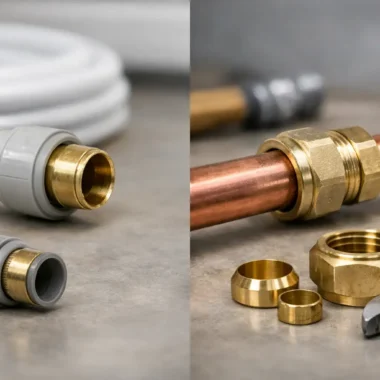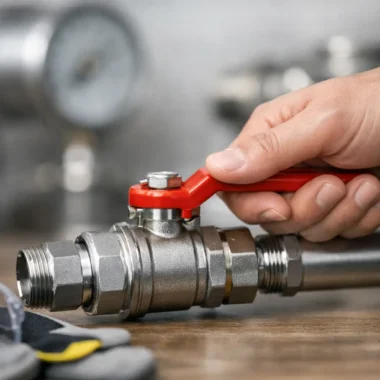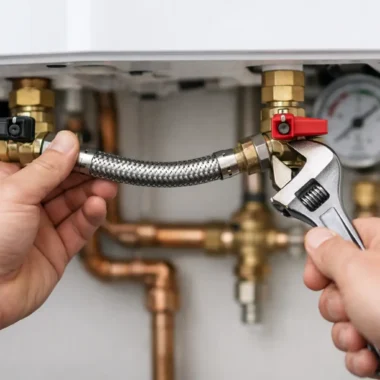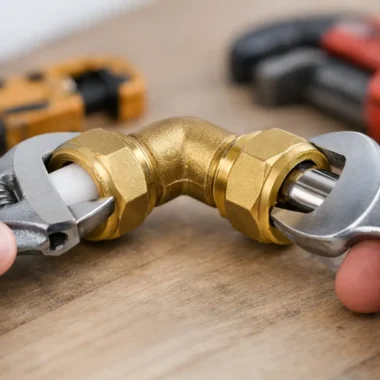
A gas bayonet socket fitting is one of those small parts that only gets attention when the cooker will not connect, the hose does not match, or the installer finds the wrong outlet already in place. On domestic jobs, that usually means wasted time, a return visit, or a delayed handover. If you are replacing or specifying one, getting the detail right matters.
This type of fitting provides a quick-connect gas outlet for appliances such as freestanding cookers. It is designed to work with a matching bayonet hose plug, allowing the appliance to be connected and disconnected without dismantling pipework. In UK properties, it is a familiar component, but not every socket is suitable for every layout, and not every issue is solved by simply matching the thread size.
What a gas bayonet socket fitting actually does
The job is straightforward. The fitting creates a fixed outlet point on the gas installation, normally at low level behind or adjacent to the appliance position. When used with a compatible bayonet hose, it gives a secure connection and incorporates a means of controlling gas flow through the socket arrangement.
For installers, the benefit is speed and practicality. For the end user, it allows a cooker to be moved for cleaning or replacement without disturbing hard pipework. That convenience is the reason bayonet points remain common in domestic kitchens, especially where a flexible appliance connection is expected.
The key point is that a bayonet socket is part of a gas installation, not just a handy connector. Material quality, thread compatibility, installation position and compliance all count.
Where a gas bayonet socket fitting is normally used
The most common application is a domestic cooker connection. In many homes, the fixed gas pipe terminates in a wall-mounted or low-level socket outlet, and the appliance connects via a flexible bayonet hose. That arrangement is practical, but only when the socket is correctly positioned and suitable for the appliance type and hose length.
It is less about novelty and more about standard domestic serviceability. On maintenance work, replacing a damaged, worn or outdated fitting can be a routine task. On refurbishment work, it may be part of bringing an appliance point into line with the current kitchen layout.
What matters here is intended use. A bayonet socket fitting is typically selected for appliances designed to connect in that way. It is not a universal answer for every gas appliance, and it should not be treated as one.
Threads, sizes and compatibility
This is where buying errors happen. Many buyers search by product name alone, but a gas fitting still has to suit the existing installation. Thread type and connection size need checking before ordering. A bayonet outlet may have a standardised appliance side, but the pipework connection side can vary depending on the product design.
Some fittings are supplied with male or female threaded connections, while others are intended to work with specific backplates, elbows or mounting arrangements. If you are replacing like for like, checking the old fitting against the new specification saves time. If you are installing on new work, think about the full connection path rather than the socket in isolation.
Material is also worth checking. Brass remains standard for good reason – it is durable, suited to the application and widely used across gas connection products. Finish is less important than specification, but quality machining and thread definition matter on installation.
Installation position and practical layout
A gas bayonet socket fitting can be technically correct and still poorly positioned. That is a common issue on kitchen refits, where cabinetry, plinths and appliance footprints have changed since the original outlet was installed.
The fitting needs to be accessible, properly located and suitable for the appliance connection route. If it sits where the cooker body fouls it, where the hose kinks, or where access is compromised, the job is not really finished properly. A few millimetres in the wrong place can make a standard connection awkward.
This is why experienced installers usually think about the final appliance position before fixing the outlet point. Floor level, rear clearances, side voids and hose movement all affect the best location. There is no single position that works for every kitchen.
Standards and safety checks
Gas work is not a trial-and-error job. Any gas bayonet socket fitting must be suitable for use on the installation and fitted in line with current requirements. In practice, that means using correctly specified components and carrying out the proper testing and checking once installed.
For trade buyers, that is obvious, but it is still where lower-quality parts cause problems. Poorly made fittings, vague specifications or products with unclear compatibility can cost more in labour than they save in purchase price. A clean install depends on confidence in the part.
For homeowners buying replacement components, the main point is simple – a bayonet socket fitting is not a general DIY plumbing item. It forms part of a gas supply. If there is any doubt about selection, connection or suitability, it needs proper advice and competent installation.
When replacement makes sense
Not every old fitting needs changing, but there are clear cases where replacement is the sensible option. Visible wear, damaged threads, poor engagement with the hose plug, signs of leakage history, or an outlet that no longer suits the appliance position are all reasons to review it.
Age alone is not always the issue. Plenty of older fittings remain serviceable if the installation is sound. The problem is usually condition, compatibility or layout. On a kitchen renewal, replacing the socket while access is good can also prevent a second visit later.
If the existing connection point has been painted over, boxed in badly, or altered around by other trades, replacement may be the cleanest route. It is often quicker than trying to make an awkward setup work.
Choosing the right fitting without slowing the job down
The best buying process is usually the simplest one. Check the application, confirm the connection side, verify the outlet type, and make sure the product description is specific enough to trust. Generic listings create delays. Clear technical naming saves them.
That is especially true online, where buyers want to identify the correct part quickly. If the listing tells you the thread, fitting type, material and intended use clearly, you can move fast with confidence. That is the difference between a specialist supplier and a general hardware listing.
Where stock availability matters, it also helps to source the bayonet fitting alongside related gas connection items rather than splitting the order across multiple suppliers. For installers managing callouts or kitchen schedules, that convenience is practical, not cosmetic. Mepstock’s product-led approach suits that kind of buying, where the part needs to be right first time and available without trade counter chasing.
Common mistakes to avoid
The first mistake is assuming all bayonet sockets are interchangeable. They are similar in purpose, but not identical in connection detail or install arrangement.
The second is focusing only on the socket and ignoring the hose, appliance position and surrounding pipework. A fitting that matches on paper can still be awkward in use if the layout is wrong.
The third is treating price as the main specification. On gas components, clarity and suitability matter more. Saving a small amount on the part is no gain if the install becomes unreliable or needs revisiting.
There is also the issue of vague replacement orders. Asking for a gas bayonet fitting without checking whether you need the socket only, a mounting plate arrangement, or a specific thread form often leads to the wrong item arriving.
What trade buyers usually want from stock
Most installers are not looking for a lecture on gas fittings. They want a product that is clearly described, correctly categorised and available for prompt delivery. That means obvious sizing, thread information, material details and a realistic indication of suitability.
For repeat work, consistency matters as well. If you buy the same type of socket fitting for planned maintenance or kitchen replacements, you want the specification to remain stable. Product continuity reduces surprises on site.
That is why specialist component supply still matters. A gas bayonet socket fitting is not a high-drama purchase, but it is exactly the sort of product where clear stock structure and technical detail save time.
If you are ordering one, treat it like any other critical connection point – confirm the spec, match it to the installation, and do not let a small part become the reason the whole job stalls. A fitting this simple should make the install easier, not create another snag at the end of the day.