A basin that suddenly runs too hot is not just a nuisance on site – it is a scalding risk, a callback, and often a sign that the wrong valve has been specified or fitted. If you need a thermostatic mixing valve explained in plain terms, the short version is this: it blends hot and cold water automatically to deliver a safer, controlled outlet temperature, even when supply conditions shift.
That sounds simple enough, but in practice the right TMV depends on application, flow rate, inlet temperatures, pressure balance and the standard you need to meet. For installers, facilities teams and competent DIY buyers, that is where the detail matters.
What is a thermostatic mixing valve?
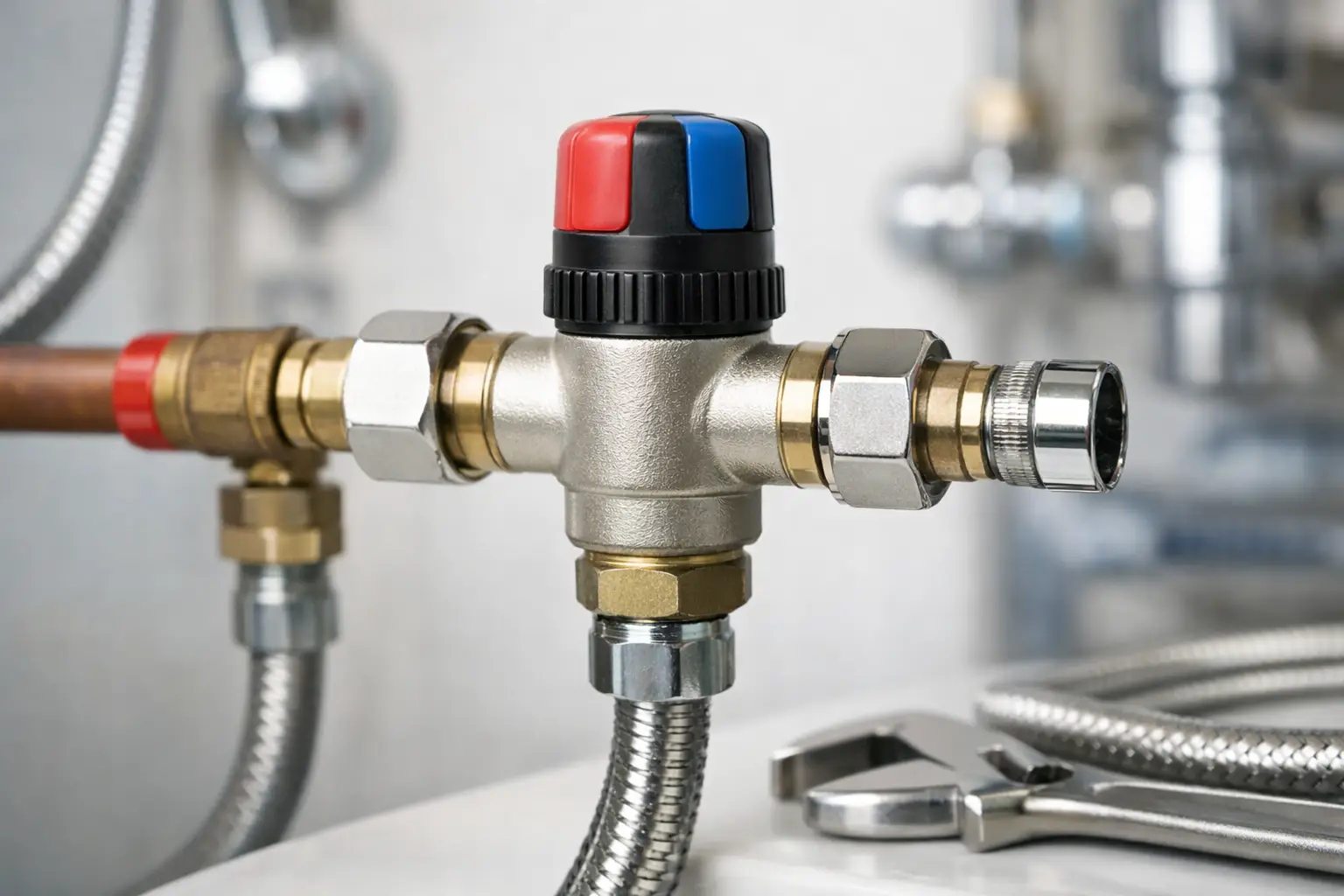
A thermostatic mixing valve, usually shortened to TMV, is a temperature control valve fitted into a hot and cold water system. Its job is to mix incoming hot and cold supplies to a pre-set outlet temperature and keep that temperature as stable as possible during normal use.
Inside the valve is a thermostatic element that reacts to temperature changes. If the mixed water starts getting too hot, the valve reduces the hot inlet and admits more cold. If it starts getting too cool, it does the opposite. The point is not just blending water once, but adjusting continuously while the tap, shower or outlet is in use.
That is the key difference between a basic blending valve and a true thermostatic mixing valve. A manual mixer can be set to a comfortable point, but it does not actively compensate for fluctuations in the same way.
Thermostatic mixing valve explained – how it works
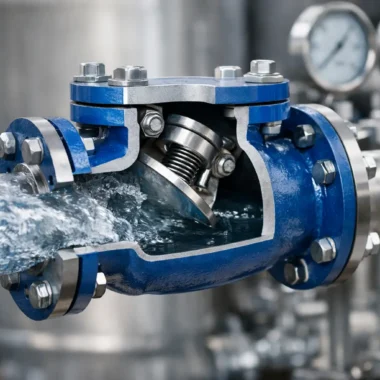
The working principle is mechanical and straightforward. Hot water enters through one inlet, cold through another, and the thermostatic element sits within the mixing chamber. As the mixed outlet temperature changes, the element expands or contracts and moves the internal shuttle or piston. That movement alters the ratio of hot to cold water passing through the valve.
A decent TMV also includes a fail-safe function. If the cold supply fails, or falls well below design conditions, the valve is designed to shut down or restrict the hot outlet quickly. That is what makes it a safety component rather than just a comfort feature.
This does come with limits. A TMV cannot create a stable outlet if the supplies are completely outside its operating range. If the hot feed is too cool, the cold pressure is excessive, or the available flow is below the valve’s design requirement, performance will suffer. In other words, the valve can only regulate what the system gives it.
Where thermostatic mixing valves are used
In UK plumbing systems, TMVs are commonly fitted at point of use or on local distribution pipework where scald protection is required. You will see them on basins, baths, showers, bidets and healthcare wash areas, as well as in schools, care settings and commercial washrooms.
Domestic use is common too, especially where young children, older occupants or vulnerable users are involved. Some installations use a TMV to control temperature to a single outlet. Others use it to serve a small group of outlets, depending on layout and demand.
The application affects the choice. A basin-fed TMV has different flow expectations from one serving a bath fill, and a healthcare installation has different compliance requirements from a standard domestic bathroom refit.
Why installers specify TMVs
The main reason is user safety. Stored hot water may need to be kept at a temperature that helps control legionella risk, but water delivered to an outlet often needs to be lower to reduce the chance of scalding. A thermostatic mixing valve allows both aims to be managed within the same system.
There is also the issue of consistency. In buildings with variable demand, a user opening another outlet can affect pressure and temperature elsewhere in the system. A properly selected TMV helps reduce that variation at the point of use.
For trade buyers, there is a practical benefit as well. Specifying the correct valve from the start helps avoid nuisance complaints about unstable shower temperatures, over-hot basin outlets or poor flow performance after installation.
TMV2, TMV3 and approvals
This is usually where buyers need the most clarity. Not all thermostatic mixing valves are the same, and not all are approved for the same duties.
TMV2 generally refers to valves tested for domestic use. TMV3 is associated with higher-risk healthcare applications and has more stringent performance requirements. If you are replacing a valve in a clinical or care environment, checking the required scheme and approval is not optional.
You may also need to consider WRAS approval depending on project requirements and product specification. For many buyers, the safest route is to match the replacement valve not just by connection size, but by approval standard, outlet use and operating conditions.
Choosing the right thermostatic mixing valve
Getting the size right is only part of the job. Connection type, body material, serviceability and isolation arrangements all matter, but the real selection points are the operating ones.
Start with the outlet application. A wash basin, shower and bath fill all place different demands on the valve. Then look at supply temperatures. Most TMVs need a minimum temperature differential between hot inlet and mixed outlet to regulate properly. If your stored hot water is only marginally above the required outlet temperature, control will be limited.
Pressure is just as important. If hot and cold supplies are heavily imbalanced, the valve may not perform as intended unless it is specifically suited to those conditions. Gravity-fed and mains-pressure systems can behave very differently, so the installation type matters.
Flow rate should not be guessed. An undersized valve can restrict performance and frustrate users. An oversized valve can be less stable at low draw-off rates. Product data is there for a reason – minimum and maximum flow, pressure range and temperature range need checking before the order goes in.
Installation points that affect performance
A good valve can still give poor results if the installation is wrong. Hot and cold inlets must be connected correctly. Isolation valves and strainers are often sensible, and in many cases essential for service access and debris protection. Commissioning should include setting and verifying the outlet temperature under real operating conditions, not just turning the cap to a rough position and leaving site.
Pipework arrangement also matters. Long dead legs after the TMV can cause delays in temperature stabilisation. Poor flushing before commissioning can leave debris in the valve. If the mixed outlet is expected to serve multiple draw-off points, demand pattern should be considered rather than assumed.
For maintenance teams, access is worth thinking about at installation stage. A serviceable valve fitted where nobody can reach isolators, filters or check valves is asking for a slower repair later.
Common faults and what usually causes them
When a TMV stops giving the expected outlet temperature, the valve itself is not always the only issue. Debris on strainers, failed check valves, pressure changes, blocked filters and poor hot water generation can all show up as a mixing problem.
If the outlet runs cold or lukewarm, start by checking hot supply temperature and isolation points before condemning the valve. If the outlet creeps hotter than set point, the thermostatic element may be worn, scaled or sticking, but crossflow and supply imbalance are also worth checking.
Intermittent performance is often the most frustrating fault because it points to changing system conditions. A TMV that works perfectly at one time of day and poorly at another may be reacting to wider demand across the building rather than failing outright.
When replacement makes more sense than repair
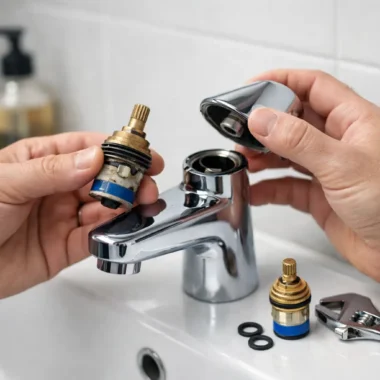
Some TMVs are designed to be serviced with replacement cartridges, seals and strainers. That can be the most cost-effective route where the body is sound and access is straightforward. In older installations, though, time spent stripping, descaling and recommissioning can outweigh the cost of a complete replacement valve.
This depends on site conditions, labour cost and how critical the outlet is. In a domestic bathroom, a repair may be perfectly reasonable. In a commercial setting where downtime needs to be kept short, swapping the full valve can be the cleaner option.
For buyers ordering online, matching dimensions, approvals and connection types before purchase saves the usual headaches. That is especially true with specialist components where one wrong detail can hold up the whole job.
Thermostatic mixing valve explained for buyers
If you are buying rather than fitting, the simplest way to think about a TMV is as a safety and control component, not just another valve. The right product needs to match the system, the outlet, and any compliance requirements.
That means checking more than thread size. Look at whether it is intended for basin, bath or shower use, whether it suits the system pressures on site, whether it is serviceable, and whether the product carries the approvals your job calls for. A trade-focused supplier such as Mepstock makes that process quicker when the product data is clear and the stock range covers both standard and specialist requirements.
The useful test is this: if the valve fails or underperforms, what happens on site? If the answer is user risk, a failed inspection, or a return visit you did not price for, then specification deserves a bit more care at the start.
A thermostatic mixing valve is not complicated once you strip it back. It takes hot and cold water, holds the outlet near a set temperature, and shuts down safely if conditions go wrong. The part that needs attention is choosing one that suits the actual job rather than one that merely looks close enough.