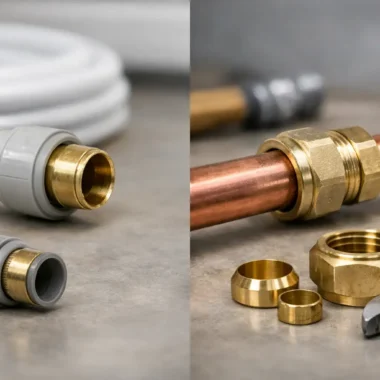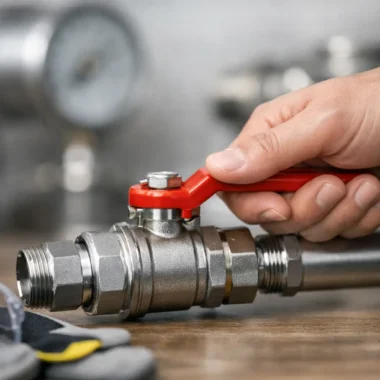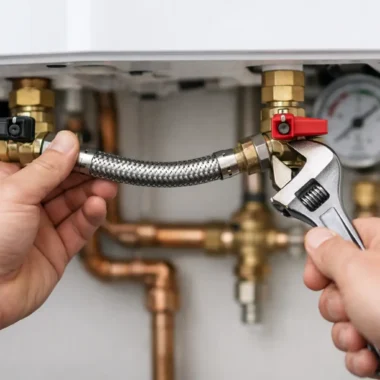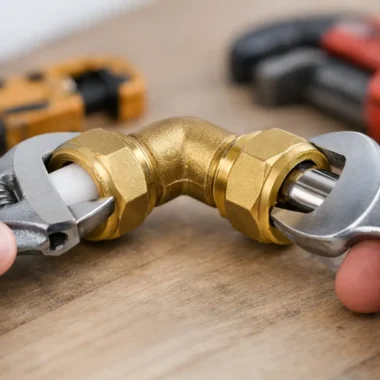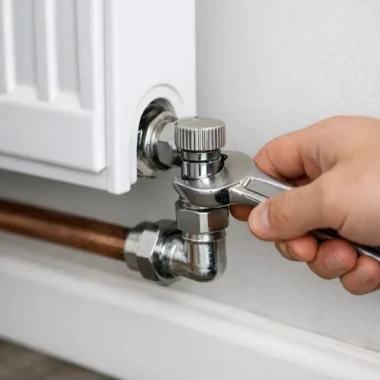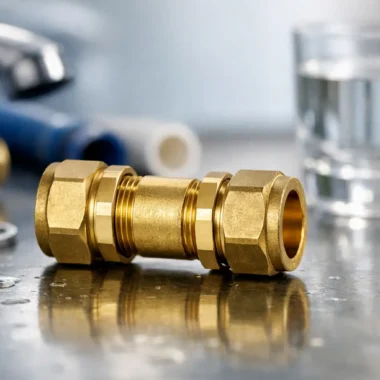
A boiler that has dropped pressure rarely needs anything complicated – but the wrong boiler filling loop kit can still waste time on site. If the thread size is off, the valves are poor quality, or the hose is not suitable for the job, a simple top-up turns into a return visit. For installers, maintenance teams and competent homeowners, getting the correct kit first time matters.
What a boiler filling loop kit actually does
A boiler filling loop kit is used to temporarily connect the mains cold water supply to the sealed heating circuit so the system can be re-pressurised. On most domestic systems, that means restoring pressure after bleeding radiators, carrying out maintenance, or addressing minor pressure loss.
The principle is straightforward. The kit allows water into the heating circuit until the required cold system pressure is reached, after which the valves are shut and the connection is isolated. In many properties, this is a braided flexible hose with valves and the relevant connections. In others, especially where the boiler manufacturer has its own arrangement, the filling assembly may be more specific.
That is where buyers can get caught out. Not every filling loop is interchangeable, and not every kit sold as a replacement will suit the valve arrangement already in place.
Choosing a boiler filling loop kit without guesswork
The first check is connection type. A boiler filling loop kit may look standard at a glance, but thread sizes and end fittings vary. The common issue is assuming any braided loop will fit any existing isolation valve or double check valve set. It will not.
If you are replacing only the hose section, confirm both ends before ordering. If you are replacing the full assembly, check whether you need the valves, the non-return protection, or just the flexible connector. On service jobs, taking a quick photo and noting the thread type saves a lot of back and forth.
The second check is whether the installation uses a removable external loop or an integrated internal filling arrangement. Many combi boilers still use an external braided filling loop, but some models use a built-in keyed filling link or manufacturer-specific assembly. In those cases, a generic kit may not be appropriate.
The third check is quality of components. On paper, many kits appear similar. In practice, the difference shows up in the valve action, thread finish, washer quality and braid construction. A low-cost kit can do the job, but if the valves feel poor or the hose is not finished properly, it is more likely to become the weak point in the system.
The parts that matter most
A decent boiler filling loop kit is not just a hose in a packet. The key parts do the work, and each one affects reliability.
Flexible braided hose
The hose needs to be suitable for mains pressure connection and repeated use. Stainless braided options are standard because they provide strength and resistance to wear in tight boiler spaces. Length matters as well. Too short and the loop is under strain; too long and it becomes awkward to position neatly.
Isolation valves
Quarter-turn lever valves are common and easy to use, but compact slot-operated versions are also found where space is limited. What matters is positive shut-off and clear operation. If the valve does not close cleanly, the loop becomes a potential route for unwanted pressure increase or leakage.
Double check or non-return protection
Backflow protection is not the part to compromise on. Depending on the assembly, this may be part of the valve set or a separate component. The point is to prevent contamination of the potable supply. For trade buyers, that is not just a product choice – it is a compliance issue.
Washers and sealing faces
Leaks on filling loops often come down to the simple things: damaged washers, rough threads, or a poor mating face. A kit with decent washers and consistent machining saves time during installation and reduces call-backs.
Where compatibility usually goes wrong
The most common mistake is focusing only on the hose. In reality, the whole connection path matters. If the existing valves are old, corroded or mismatched, replacing the hose alone may not solve the problem.
Another issue is thread assumption. BSP sizes are familiar across plumbing work, but that does not mean every appliance-side connection is identical. A kit may be described in a way that sounds universal, while the actual end configuration is not. Product specifications need to be read properly, especially where the listing includes nut size, thread gender and whether washers are supplied.
Then there is the question of approvals. For potable water connection components, WRAS-related suitability can matter depending on the fitting and application. Not every buyer needs the same level of certification scrutiny on every job, but where compliance is part of the requirement, it should be checked before purchase rather than after delivery.
When to replace the full kit rather than one part
It depends on condition and access. If the flexible hose is visibly worn but the valves are clean, operate properly and seal well, replacing the hose may be enough. If the valves are stiff, weeping, or clearly low-grade, it makes more sense to replace the complete boiler filling loop kit while the system is already being worked on.
This is especially true on maintenance jobs where access is poor. Saving a few pounds by reusing questionable valves rarely works out if the installer has to return. On a boiler tucked into a kitchen unit or utility cupboard, the labour cost of a second visit usually outweighs the cost of fitting a complete new assembly.
For landlords and maintenance contractors, standardising replacement quality is often the better route. Using the same dependable spec across multiple properties reduces guesswork for future servicing and makes stockholding easier.
What trade buyers usually look for
Most installers are not interested in fancy product descriptions. They want to know whether the kit is the correct size, whether it is suitable for sealed system filling, whether the valves are included, and whether it can arrive quickly.
That is why clear technical naming matters. A boiler filling loop kit should be listed with enough detail to confirm connection type, valve arrangement, hose length and material. Ambiguous listings create delays. On live jobs, speed comes from accurate specification, not broad claims.
For that reason, specialist suppliers tend to be a better fit than general hardware sellers. Buyers need the exact component, not a close alternative. Mepstock’s product-led approach suits that kind of purchase because the job usually starts with a specific fitting requirement rather than casual browsing.
A note for competent DIY buyers
A filling loop is one of those parts that looks simple because it is simple – but only up to a point. Re-pressurising a sealed heating system is usually straightforward if you know the correct operating pressure and the existing arrangement is in good condition. Choosing the right replacement kit, however, still depends on getting the connections and specification right.
If you are not sure whether your boiler uses an external filling loop or an integrated manufacturer setup, check before ordering. The same applies if you are seeing repeated pressure loss. A filling loop kit may restore pressure, but it does not fix the underlying cause if the system has a leak, an expansion vessel issue or a faulty pressure relief route.
Stock, delivery and avoiding job delays
A boiler filling loop kit is often bought reactively. The engineer is on site, the system needs topping up properly, and the existing loop is missing, damaged or not fit to reuse. In that situation, product availability matters as much as price.
For repeat buyers, it is worth keeping a small stock of the most common loop kits and related washers in the van or stores. They are not high-value items, but they can hold up a boiler service or handover if missing. The same logic applies to merchants and online suppliers – the easier it is to identify the exact specification and get it shipped next day, the less downtime there is on the job.
Boiler filling loop kit checks before you buy
Before ordering, confirm four things: the type of filling arrangement on the boiler or system, the exact connection sizes, whether valves and backflow protection are required, and the overall quality level needed for the site. That sounds basic, but those four checks prevent most ordering errors.
If the job is straightforward, a standard external braided boiler filling loop kit will usually cover it. If the setup is older, brand-specific or partly modified over time, slow down and match each component properly. A few extra minutes on specification is usually quicker than dealing with a return, a leak, or a second visit.
The right part here is not the most complicated one – it is simply the one that fits, seals properly and does not create another problem later.