
A leaking appliance connection can turn a straightforward install into a call-back, a damaged floor, or a machine left out of service. In most cases, the problem is not the appliance itself but the washing machine hose connector – the small but critical part that has to match the hose thread, the valve outlet and the installation layout first time.
For tradespeople, that means avoiding wasted visits and awkward adaptors stacked onto poor pipework. For competent DIY buyers, it means knowing what actually fits a typical UK washing machine setup and what does not. The connector looks simple, but compatibility, sealing method and available space all matter.
What a washing machine hose connector actually does
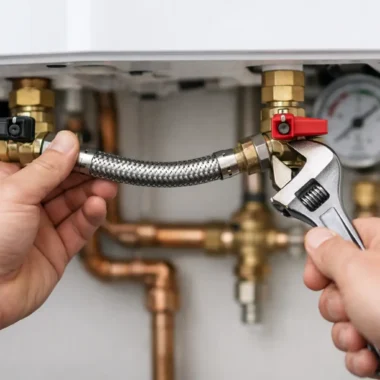
A washing machine hose connector joins the appliance fill hose to the water supply point. On a standard domestic installation, that usually means connecting the machine hose to an appliance valve or a suitable threaded outlet. The connector has one job – create a secure, watertight connection that can handle mains pressure without stressing the hose or valve.
That sounds basic, but there are a few variables. The hose thread on the appliance side is commonly standardised, yet the supply side can vary depending on whether you are connecting to a washing machine valve, a tee arrangement under a sink, or an older plumbing setup that has been altered over time. This is where selection starts to matter.
Washing machine hose connector sizes and threads
In most UK domestic applications, the washing machine fill hose terminates in a 3/4 inch BSP female swivel connection. That thread size is widely used across washing machines and dishwashers, which is why many appliance valves are built around it.
The first check is simple – confirm the hose end and the valve outlet are both 3/4 inch BSP and intended to seal correctly together. If they are, you usually do not need an additional adaptor. If they are not, you need to identify exactly which side differs before ordering anything.
BSP threads matter more than guesswork
A common fitting mistake is assuming any threaded connection will do if it looks close enough. It will not. BSP sizing, male or female thread type, and the sealing arrangement all need to align. Cross-threading a plastic or brass fitting to force a match is a quick way to create a leak path or damage the valve.
Straight connection or adaptor
If the hose screws directly onto the appliance valve with the correct washer in place, that is the cleanest setup. Adaptors are useful when dealing with non-standard outlets, replacement valves, or older installations, but every extra joint is another possible failure point. On a tidy first fix or a planned replacement, fewer connections are generally better.
The valve side is just as important
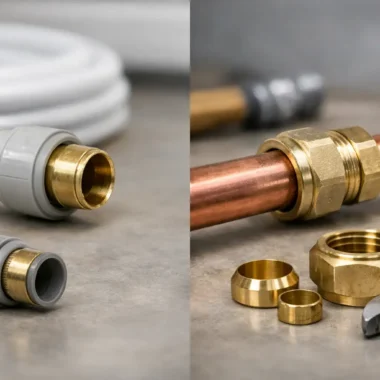
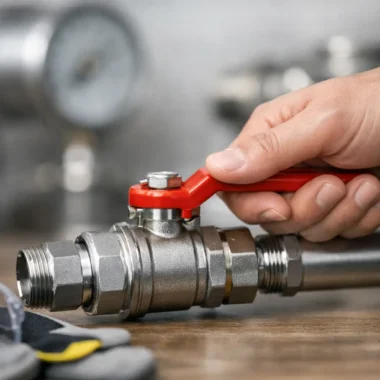
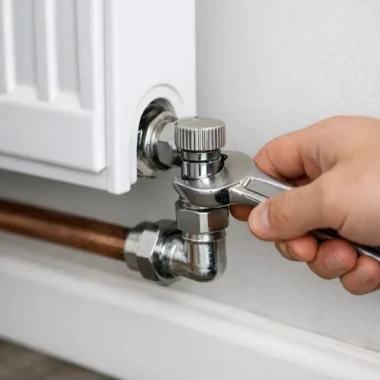
Buyers often search for a connector when the real issue is the wrong valve. A standard washing machine installation usually includes an appliance valve with a 3/4 inch outlet for the hose connection and a compression or push-fit connection on the pipe side. If the existing valve is damaged, seized, badly positioned or incompatible, replacing only the connector may not solve the problem.
If space is tight behind the machine, the valve orientation also matters. A straight outlet can push the hose into a hard bend, while an angled arrangement may relieve strain and reduce kinking. On boxed-in services or utility room installations, that can make the difference between a neat connection and one that fails early.
Materials and build quality
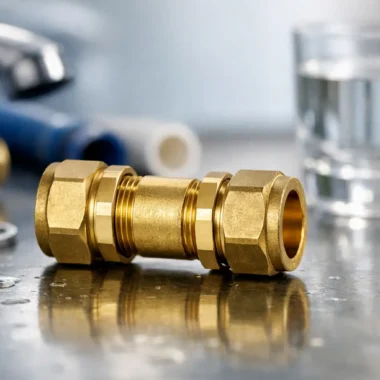
Not all connectors are equal, especially on repeat-pressure appliance lines. Brass components generally offer better durability than lightweight alternatives, particularly where threads are likely to be tightened, loosened and reused during maintenance or appliance replacement.
Plastic hose nuts are common on appliance hoses themselves and are perfectly normal, but the mating component still needs to be well-machined and correctly sized. Poorly formed threads, thin seals and low-grade materials can all lead to drips that only show once the machine starts filling under pressure.
Where potable water compliance matters, buyers may also look for WRAS-approved components on the supply side. That will depend on the fitting and application, but on professional installs it is worth checking product specification rather than assuming.
Common problems when choosing a washing machine hose connector
Most selection issues come down to one of three things: the wrong thread, the wrong sealing method, or trying to adapt around a poor existing setup.
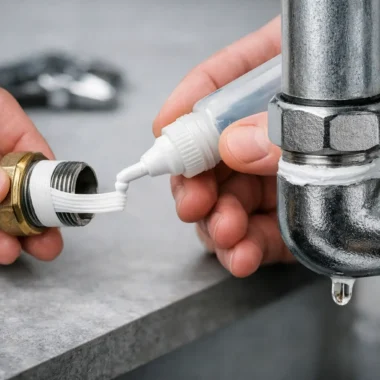
A thread mismatch is obvious once you know what to look for, but plenty of leaks happen even with the correct nominal size because the washer is missing, worn or sitting badly in the hose end. BSP appliance connections often seal on the washer rather than the thread itself, so wrapping PTFE around the thread will not fix a damaged or missing washer.
Another frequent issue is overtightening. Appliance hose connectors need to be secure, but excessive force can distort the washer, damage the plastic nut or stress the valve body. Hand-tight plus a careful final nip, where appropriate, is often enough. It depends on the fitting design and material.
Then there is the temptation to keep adding reducers, converters and spare adaptors from the van until something joins up. That can get water flowing in the short term, but it is rarely the best long-term answer. A single correct washing machine hose connector, matched to the right valve, is a better result than a stack of compromises.
When you need an adaptor
Adaptors have a place, especially in maintenance work. You may be connecting a new appliance into an older property, dealing with a valve that was installed for a different appliance, or replacing only part of an existing arrangement where full alteration is not practical on the day.
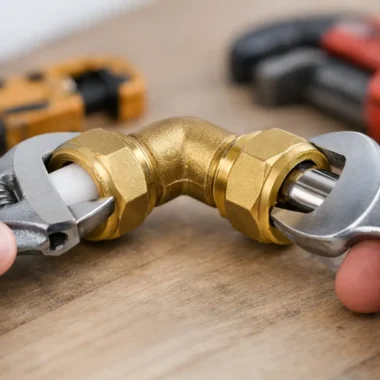
In those cases, identify both ends properly before buying. Check thread size, male or female configuration, and whether the connection seals on a washer, an olive, or a flat face. If the pipework side is compression and the appliance side is 3/4 inch BSP, choose an adaptor designed specifically for that transition rather than a generic threaded fitting that only looks similar.
This is also where product descriptions matter. Clear sizing, thread detail and material specification save time. For trade buyers ordering online, that level of detail is often the difference between one delivery and two.
Installation points that affect reliability
Even the correct connector can fail if the installation is poor. The hose should not be twisted as the nut is tightened. The washer should sit flat and clean in the hose end. The valve should be supported properly, especially if the pipework is clipped poorly or there is movement when the appliance is pushed back.
Take a moment to inspect the hose itself as well. If the hose is old, kinked, split at the end, or showing signs of fatigue around the swivel nut, replacing only the connector may be false economy. Likewise, if the valve is weeping from the spindle or body, replacing the hose connection alone misses the real fault.
After fitting, open the valve slowly and check under static pressure first. Then run the appliance fill cycle and inspect again. Some leaks appear only once the hose moves slightly under flow or vibration.
Choosing the right connector for trade and domestic jobs
For a straightforward replacement in a modern UK kitchen or utility space, the right choice is usually a direct 3/4 inch BSP appliance connection onto a sound washing machine valve. For remedial work, measure first and assume nothing. Older properties, altered pipe runs and previous DIY changes often produce odd combinations that are not obvious until you get close to the fitting.
Trade buyers tend to prioritise speed and certainty. That means selecting by specification, not by thumbnail image, and choosing components that are clearly identified by size, thread and intended use. Domestic buyers often benefit from doing the same rather than searching broadly for a universal part, because universal can mean multiple compromises.
A supplier with a proper range of valves, threaded fittings and appliance connection parts makes that process easier. Mepstock’s catalogue approach suits this kind of job because buyers can match the connector to the wider installation, not just the hose end.
What to check before you order
Before placing an order, confirm the thread on the hose, the outlet on the valve, whether a washer is included, and whether the layout needs a straight or angled connection. Also check if the issue is actually the connector or a failing appliance valve, damaged hose or unsuitable existing pipework.
That takes a few extra minutes, but it is usually quicker than ordering a part that almost fits and discovering it on site. On appliance connections, almost right is not right enough.
If you are replacing a washing machine hose connector, the best result usually comes from treating it as part of the whole water connection rather than a standalone spare. Get the sizing right, keep the joint count low, and use a fitting built for the job. That is what keeps the install dry, the machine working, and the return visit off the diary.