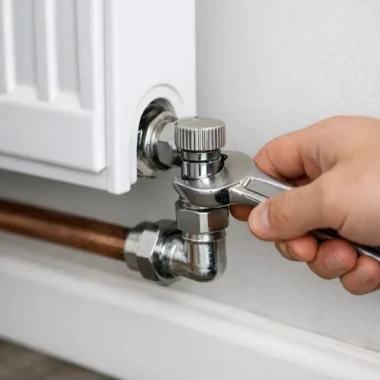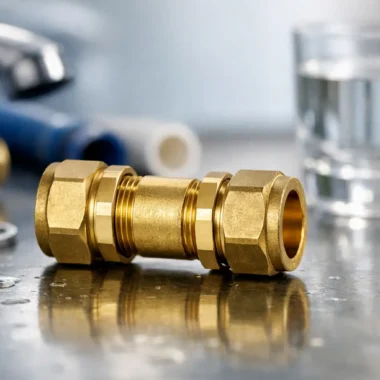

A radiator that stays cold at one end, overheats a small room, or refuses to balance properly often comes back to the same component – the radiator valves. They are small parts, but they control flow, affect heat output, and make a visible difference to both installation layout and day-to-day performance. Get them right and the system behaves as it should. Get them wrong and you waste time on call-backs, workarounds, or awkward pipe runs.
For installers and maintenance buyers, choosing a valve is rarely about appearance alone. It is about matching the valve type to the system, the radiator connection, the pipe position, and the level of control needed in the room. For DIY buyers, the same logic applies, even if the immediate job is simply replacing a faulty or dated pair.
Why radiator valves matter more than they look
Every radiator needs controlled water flow in and out. One side typically uses a wheelhead or thermostatic valve to regulate flow into the radiator, while the other uses a lockshield valve to restrict and balance return flow. That sounds basic, but the choice affects commissioning, heat distribution, and how tidy the final install looks.
A poor valve choice can create avoidable friction on site. Straight valves ordered for a pipe set coming out of the wall will look wrong and may force a messy connection. A manual valve fitted where room-by-room temperature control is needed will do the job mechanically, but not practically. A thermostatic radiator valve fitted without thinking about furniture, curtains or boxed-in pipework may read the room temperature badly and throttle the radiator at the wrong time.
The point is not that one style is always best. It depends on the radiator position, the system controls, and whether the job is a first fix, replacement, refurbishment or simple repair.
The main types of radiator valves
Manual radiator valves
Manual valves are straightforward. You turn them up or down by hand to increase or reduce flow. They are commonly used where simple control is acceptable, or where a like-for-like replacement is needed without changing how the system operates.
They are often the practical choice for low-complexity jobs, utility spaces, or customers who want a clean, dependable replacement without the added cost of thermostatic heads. They also suit some older systems where consistency matters more than room-by-room adjustment.
That said, manual valves rely on the user to set them properly. If the room overheats, nothing corrects that automatically. In occupied homes, that usually means less efficient control than a thermostatic setup.
Thermostatic radiator valves
Thermostatic radiator valves, often referred to as TRVs, adjust the flow automatically based on room temperature. When the space reaches the set level, the valve begins to close. When it cools, it opens again.
For most domestic heating systems, TRVs are the standard choice in living spaces and bedrooms because they give better local control. They help limit overheating and can improve comfort across the property. They are especially useful where some rooms gain heat quickly from sun exposure, cooking, or occupancy while others remain cooler.
There are limits, though. A TRV should not be fitted blindly in every location. Bathrooms often use manual valves depending on system design and user preference. Rooms with the main wall thermostat need care, because if a TRV shuts down the radiator in that space too aggressively, the boiler control strategy can be affected. The right answer depends on the wider system, not just the individual radiator.
Lockshield valves
Lockshield valves usually come paired with the control valve on the opposite side. They are adjusted with a cap or spindle rather than for regular user operation. Their main purpose is balancing – restricting return flow so each radiator receives the correct share of hot water.
They do not get much attention from end users, but they matter during commissioning. If a heating system has hot radiators near the boiler and lukewarm ones further away, balancing is part of the fix, and the lockshield valve is central to that process.
Choosing the right radiator valve configuration
Straight, angled and corner radiator valves
The body shape matters because it must suit the route of the pipework.
Straight valves are generally used when the pipe comes up from the floor and the radiator connection is directly above. Angled valves are commonly used where the pipe comes out of the floor or wall and needs a 90-degree turn into the radiator tail. Corner valves are typically selected where pipework comes from the wall and a neater side-entry finish is needed.
This is one of the most common ordering mistakes. Buyers focus on thread size and forget the pipe approach. In practice, the cleanest install usually comes from matching the valve pattern to the existing pipe layout rather than trying to adapt the pipework around whatever valve happens to be available.
Matching valve size and connection type
In UK domestic heating, 15mm connections are standard for many radiator valve installations, but that does not remove the need to check both radiator tails and existing pipework. Replacement work can involve legacy sizes, reducers, or non-standard arrangements, particularly on older systems or in commercial maintenance settings.
If the job is replacement rather than new installation, measure first and confirm thread compatibility before ordering. A valve that is almost right usually costs more in extra fittings, labour time and return visits than buying the correct part in the first place.
Where TRVs work well – and where they do not
TRVs are usually the right call for habitable rooms where heat demand varies. Bedrooms, lounges, dining rooms and home offices benefit from automatic adjustment. In rental properties and managed buildings, they also reduce the need for occupants to keep altering manual valves.
But placement matters. If a TRV head is hidden behind a curtain, inside a radiator cover, or fitted too close to a strong heat source, it can sense the wrong temperature and close too early. In those cases, the room may feel cold even though the valve believes it has reached set point.
There is also a practical issue in smaller spaces. If a radiator sits behind a sofa or under a deep sill with poor airflow, thermostatic control can become less accurate. That does not always rule out a TRV, but it does mean the valve should be selected with the actual room layout in mind.
Balancing performance against finish
Some customers want a basic white valve pair and are done with it. Others care about matching anthracite radiators, designer panels or exposed decorative pipework. There is nothing wrong with that, but appearance should come after function, not before it.
The best-looking valve is not much use if it is the wrong orientation, the wrong control type, or awkward to service once fitted. On visible installations, especially refurbishments, there is usually a sensible middle ground: choose a valve that suits the radiator finish and room standard, but still gives straightforward access for setting, balancing and future replacement.
For trade buyers, this matters commercially as well. A valve that looks smart on day one but creates maintenance headaches later is rarely the best value option.
Common mistakes when buying radiator valves
A lot of problems come from assumptions. Buyers assume all valve pairs are interchangeable, assume all TRVs suit every room, or assume the old valve style should always be copied exactly. Sometimes it should. Sometimes the original setup was the problem.
Another common issue is ordering purely by appearance without checking whether the valve is supplied as a pair, whether the tails are included, and whether the valve body pattern matches the pipe layout. On replacement jobs, it is also worth checking whether the existing system has sludge, stiff spindles or historical leaks around the old compression joints. A new valve will not correct wider system faults on its own.
If the heating system is being upgraded, think beyond the single radiator. Consistent valve selection across the job can make balancing easier, improve the finish, and reduce the chance of missed parts. That is part of why many installers prefer buying from specialist stock rather than piecing a job together from mixed ranges.
Buying radiator valves without slowing the job down
Most valve orders are made under time pressure. A repair needs finishing, a refurbishment needs matching components, or a boiler and heating upgrade is booked back-to-back with other work. In that situation, clear product identification matters more than sales language.
When sourcing radiator valves, buyers generally need to confirm five things quickly: valve type, body pattern, connection size, finish, and whether the application calls for manual or thermostatic control. If those details are clear, the rest of the purchase is straightforward. That is the standard trade buyers expect from a supplier such as Mepstock, where technical parts need to be found fast and ordered with confidence.
The best buying decision is usually the one that avoids a second order. Check the pipe approach, confirm the radiator connection, think about how the room is used, and choose the valve that suits the system rather than the shelf. A small part can hold up an entire heating job, so it is worth getting precise the first time.
When a radiator is not performing as it should, the valve is often the quiet culprit – and the simplest place to put things right.