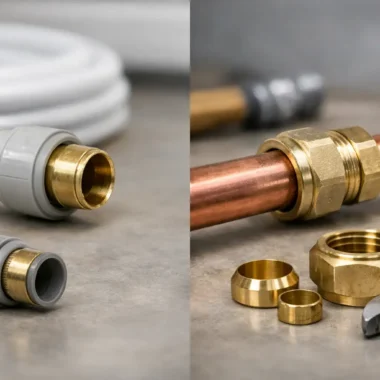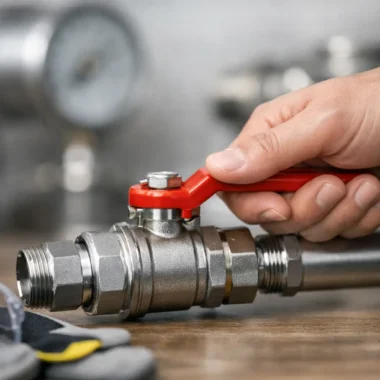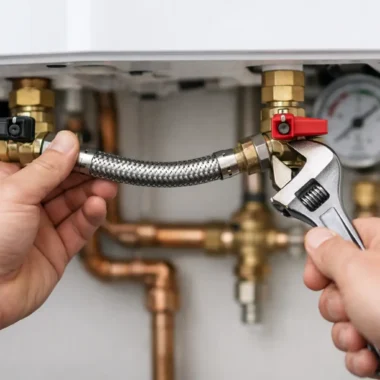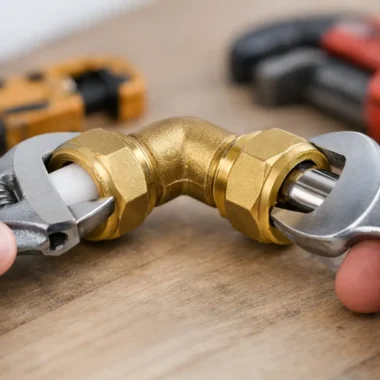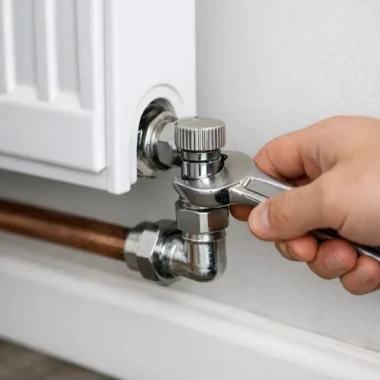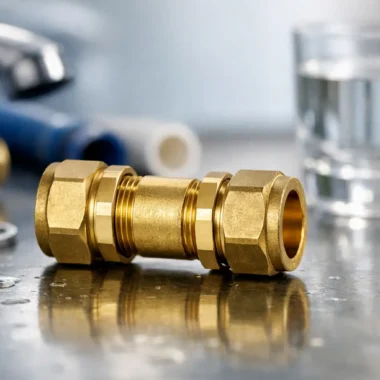

When a pipe run is on show, the fitting matters as much as the connection. Chrome compression fittings are often chosen for visible plumbing around radiators, toilets, basins and towel rails because they give a cleaner finish than plain brass while still offering the straightforward installation compression joints are known for.
For installers, the appeal is simple. You get a mechanical joint that does not require soldering, and you avoid leaving bare brass fittings visible against chrome pipe or polished valve bodies. For competent DIY buyers, they are also a practical option where access is tight or heat is not suitable. That said, appearance should not be the only deciding factor. The right fitting still comes down to pipe material, size, application and the quality of the sealing surfaces.
Where chrome compression fittings are typically used
You will usually see chrome compression fittings in exposed domestic plumbing rather than hidden first-fix runs. Common examples include radiator tails and valve connections, WC feeds, basin supplies, and decorative towel radiator installations where chrome pipe is part of the finished look.
In these settings, a standard brass compression fitting will often work mechanically, but it may stand out once the job is complete. A chrome-plated fitting gives a more consistent finish, particularly where paired with chrome isolation valves, angle valves or radiator valves. On a visible run beneath a basin or behind a close-coupled WC, that difference is easy to spot.
They are less often the first choice in concealed locations, plant rooms or utility spaces where finish is not a priority. In those jobs, cost and speed may point you towards standard brass alternatives. That is one of the main trade-offs – chrome compression fittings are frequently selected for presentation as much as function.
How chrome compression fittings work
The working principle is the same as any other compression fitting. The pipe is inserted into the fitting body, an olive is compressed as the nut is tightened, and the olive forms the seal around the pipe. No flame, no press tool and no electrical supply are needed.
That makes them useful on maintenance work and retrofit jobs. If you are swapping a valve on an existing chrome pipe tail, for example, a compression connection is often the quickest route back to service. It also helps where surrounding finishes make soldering awkward or risky.
What changes with chrome compression fittings is mainly the outer finish. Underneath, the base material is commonly brass. The chrome plating is there to improve appearance and to match other visible components. It does not remove the need for correct installation practice. Overtightening can still distort an olive or damage the fitting, and poor pipe preparation will still lead to leaks.
Choosing the right chrome compression fittings
The first check is size. In UK domestic plumbing, 15mm is the size most buyers reach for, with 22mm also common on larger heating or water runs. Threaded ends, where applicable, need checking just as carefully as the compression side. A mismatch here wastes time and usually means a second order.
The next point is pipe compatibility. Chrome compression fittings are commonly used with copper tube and chrome-plated copper tube. If you are working with plastic pipe, it depends on the fitting specification and whether a pipe insert is required. Not every compression fitting is suitable for every pipe type, and visible installations are not the place to find that out after assembly.
Application matters as well. A fitting for a basin feed may look similar to one used on a heating circuit, but service conditions can differ. Temperature, pressure and the equipment being connected all need checking. If the system or local specification calls for WRAS-approved components on the potable water side, that should be confirmed before purchase rather than assumed from appearance alone.
For trade buyers ordering against a schedule, it also pays to consider fitting pattern. Straight connectors, elbows, tees, reducers and valve tails may all be needed on the same job. Keeping the finish and specification consistent avoids a patchwork result and reduces the risk of compatibility issues on site.
What to check before installation
A clean pipe end is essential. If the chrome pipe has been cut, the end should be square, deburred and free from damage. Any scoring, flattening or roughness where the olive seats can compromise the joint. On decorative chrome pipe, careless cutting is especially noticeable because you are not only trying to achieve a seal, you are also trying to leave a tidy visible finish.
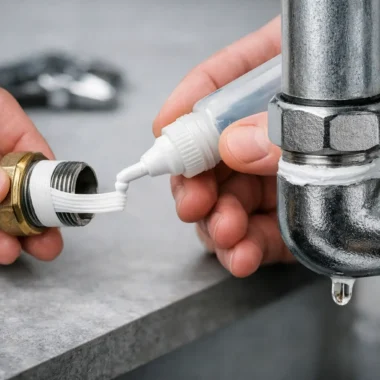
Check the olive and nut are correct for the fitting supplied. Mixing loose components from different fittings can work against you, particularly on a job where tolerances are already tight. If jointing compound is used, it should be suitable for the application and used sparingly. Too much can create mess around exposed fittings, which defeats the point of choosing a decorative finish in the first place.
Alignment matters more than many people think. Compression fittings are forgiving, but they are not designed to pull badly misaligned pipework into place. If the pipe is under stress, the joint is more likely to weep over time. On visible sanitaryware connections, poor alignment also looks second-rate even if the fitting initially seals.
Common issues with chrome compression fittings
The most common problem is a slow leak caused by under- or over-tightening. Too loose and the olive does not seal properly. Too tight and you can deform the olive, damage threads or mark the fitting. There is no benefit in forcing the nut beyond what is needed for a sound compression seal.
Another issue is damaging the chrome finish during installation. Using the wrong grips or tightening without protecting the visible surface can leave marks that are difficult to hide. On exposed pipework, that is often the first thing a customer notices. Soft-jaw tools or a protective cloth can help preserve the finish where access allows.
There is also the question of matching shades and finishes. Chrome is not always identical across every manufacturer and product range. If you are pairing fittings with radiator valves, traps or tap connectors already on site, a small visual difference may stand out. On a plant room job that would be irrelevant. In a finished bathroom, it may matter.
Are chrome compression fittings always the best option?
Not always. If the pipework is concealed, standard brass compression fittings may offer better value. If you want a very clean minimal appearance with fewer visible nuts and bodies, another connection method may suit the design better. If the system material or specification points in a different direction, the decorative finish should not override compatibility.
There are also jobs where speed and stock availability matter more than appearance. A heating repair in a cupboard or under a floor is a good example. In that case, the practical choice is usually the fitting that suits the system and can be installed correctly without delay.
That is why most experienced buyers do not ask only for chrome compression fittings. They ask for the right size, the right pattern, the right application and the right finish for where the fitting will actually sit. The finish is part of the decision, not the whole decision.
Buying with fewer mistakes
For anyone ordering online, the key is reading the specification properly rather than relying on the product image alone. Check size, fitting type, material, approval status where relevant, and whether the fitting is intended for the service you are working on. A chrome straight coupling for one job is not a substitute for a valve connector, reducing set or appliance-specific fitting on another.
This is where a specialist supplier earns its place. Buyers need clear product naming, practical dimensions and stock they can identify quickly. Mepstock’s trade-focused approach suits that type of purchase because the decision is usually about fit, compatibility and getting the right part first time, not browsing for inspiration.
If you are working on exposed domestic pipework, chrome compression fittings remain a solid option. They are easy to specify, straightforward to install when used correctly and better suited to visible locations than standard brass equivalents. The main thing is to treat them as a proper plumbing component, not just a decorative extra. Get the size right, match the fitting to the pipe and application, and take care with the finish. A neat visible joint usually starts long before the nut is tightened.