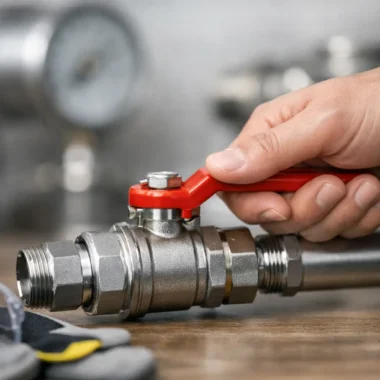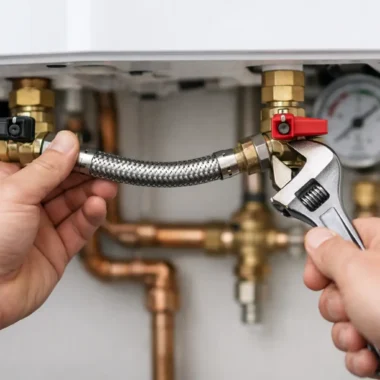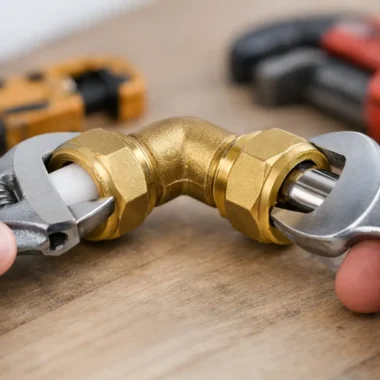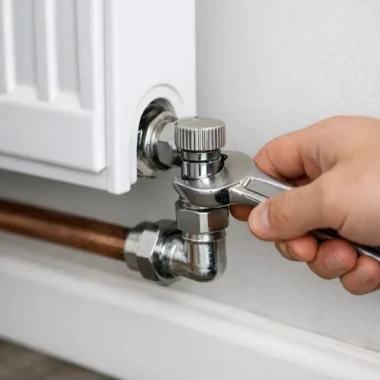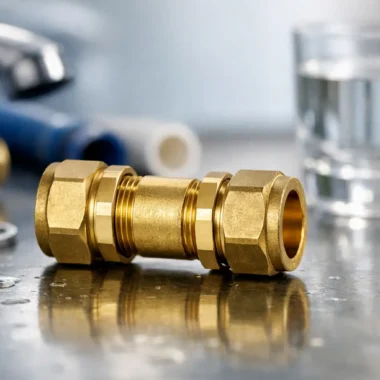

When a job needs a clean shut-off point that is easy to spot and easy to reach, a chromed & brass isolating valve with black handle is often the right call. It is a simple component, but getting the right one matters. On appliance feeds, tap tails, WC supplies and general maintenance work, the difference between a decent isolating valve and the wrong pattern usually shows up later – in poor access, awkward operation or a call-back.
What a chromed & brass isolating valve with black handle is for
At its core, this is a quarter-turn isolation valve designed to stop or allow water flow to a specific outlet or section of pipework. The brass body provides the strength and pressure resistance you expect in a plumbing fitting, while the chrome finish gives a cleaner appearance where the valve remains visible after installation. The black handle makes operation obvious at a glance, which is useful in cupboards, under basins and behind appliances where space is limited and speed matters.
For trade installers, the appeal is straightforward. You get local isolation without draining down the full system, and you avoid the inconvenience of shutting off the mains for routine servicing. For competent DIY buyers, it offers the same practical benefit – a manageable way to isolate a single connection for repairs or replacement.
Why chrome and brass still make sense
There is a reason brass remains standard across a wide range of plumbing valves and fittings. It machines accurately, seals reliably and stands up well in normal domestic water systems. A chromed brass body adds a more finished appearance, which matters on exposed pipe runs or sanitaryware installations where plain brass may look out of place.
That does not mean chrome is only cosmetic. The finish also helps with wipe-clean maintenance in visible locations. In utility spaces that stay hidden, plain brass may do the same functional job at a lower cost. So the choice depends on where the valve will sit and whether the appearance of the install matters to the customer.
The black handle is not just a styling detail either. It gives a clear visual contrast against chrome, making it easier to identify the shut-off point quickly. On maintenance jobs, that saves time. On domestic call-outs, it also makes it simpler for the occupier to understand which valve operates what.
Typical applications in UK plumbing installs
A chromed & brass isolating valve with black handle is commonly used where a neat finish and accessible isolation are both required. Under basin taps is an obvious example, especially when the pipework is exposed inside a vanity unit or cloakroom basin. The same applies to WC feeds, bidet supplies and some appliance connections.
It also suits replacement work where an old screwdriver-slot isolation valve has become stiff, marked or awkward to use. A handled valve is easier to operate, particularly for users who do not keep tools nearby. In rental maintenance and managed property work, that can be a practical advantage.
That said, not every job needs this pattern. If the valve will be boxed in, hidden behind furniture or fitted in a service void, a simpler or more compact isolation valve may be more suitable. Access, finish and cost all need weighing up against the application.
Sizing and connection checks before you order
Most ordering mistakes happen before the valve is fitted, not during installation. Buyers assume the pipe size, thread type or end pattern is standard, then find the connection does not match what is already in place. That is why checking the actual install matters more than relying on guesswork.
Start with the pipe size. On UK domestic systems, 15mm is common for general water services, while appliance and tap connections may involve 10mm, 12mm or threaded ends depending on the setup. Then check whether the valve is compression x compression, compression x male, compression x female, or another combination altogether. A valve body can look right in the product image and still be wrong for the job if the ends do not match.
Thread compatibility is another point that catches people out. Tap connectors, toilet fill valves and appliances may use BSP threads, but the size and gender still need confirming. If the valve is being installed into an existing visible chrome setup, the finish should also match closely enough that the completed work does not look pieced together.
Handle style versus screwdriver slot
For some installers, a standard screwdriver-slot isolation valve remains the quickest and cheapest option. It is compact, familiar and works well where the valve is not intended for frequent use. In tight spots, that lower profile can be useful.
A black-handled valve has advantages of its own. It is easier to grip, easier to identify as open or closed, and more straightforward for non-trade users to operate. If the valve may need to be used regularly, or if the end user is likely to isolate the supply themselves, the handle pattern is often the better fit.
The trade-off is space. A handle needs room to turn cleanly, and in cramped cupboards or behind closely spaced pipework that can become an issue. Before ordering, think about the installed position, not just the pipe size.
Installation points that affect performance
A good valve can still perform poorly if the installation is rushed. Compression ends need clean, square pipe cuts and proper support. Olives should seat correctly and threads should be tightened to the right level – enough to seal, not so much that the fitting is stressed or distorted.
Orientation also matters more than some buyers expect. The handle should remain accessible once the surrounding fittings, hoses or sanitaryware are in place. A valve tucked neatly into the back of a unit may look tidy on first fix, but if no one can turn it later without removing pipework, it has not been fitted in the most useful way.
Where chrome pipe or visible supplies are involved, take care to avoid marking the finish. That is basic good practice, but it is especially relevant on exposed installations where the end result is part of the customer’s expectation.
Choosing the right valve for the job
The right product choice comes down to four things: connection type, size, finish and access. If the valve needs to sit beneath a basin in full view, a chromed body with a black handle is a sensible option. If it is hidden behind a washing machine or inside a service cavity, the finish may matter less than overall dimensions and ease of fit.
It is also worth considering how often the valve is likely to be used. For occasional servicing, almost any sound quarter-turn isolating valve will do the basic job. For situations where regular shut-off is expected, such as maintenance-heavy properties or accessible appliance feeds, a handle-operated pattern is often more practical.
Buyers working on mixed domestic maintenance should also think about stocking logic. Keeping a small range of commonly used sizes and connection types can save wasted trips and reduce delays. That is one reason specialist suppliers such as Mepstock are useful – you can source standard and less common valve patterns in one place rather than piecing an order together across multiple merchants.
When not to use one
This type of valve is useful, but it is not a catch-all answer. If the application requires a check valve, pressure-reducing function, drain-off point or WRAS-specific approval for a particular setup, a standard isolating valve may not be enough. Likewise, if the valve is for gas rather than water, the product specification must match that duty exactly. Brass alone does not make a fitting suitable for every service.
There is also the issue of finish matching. In premium bathroom work, one chromed component that does not quite match the rest of the exposed fittings can stand out. If appearance is a selling point of the installation, check dimensions and finish quality before committing.
A small part that saves bigger problems
An isolating valve is one of those fittings that gets overlooked until someone needs it in a hurry. When specified properly, a chromed & brass isolating valve with black handle gives you neat presentation, dependable shut-off and easier future access for servicing. That is why it remains a sensible choice on many domestic plumbing jobs.
If you are ordering for an active job, take an extra minute to confirm the size, end connections and installation space. It is a small check, but it is usually the difference between finishing first time and having to go back for the valve you should have fitted in the first place.