When a job is held up by one small shut-off point, it is usually because the valve was treated as an afterthought. A gas lever compression valve looks straightforward enough, but getting the right one matters for safety, compatibility and time on site. If you are replacing an existing isolation point or specifying a new section of pipework, the details make the difference between a quick install and a return visit.
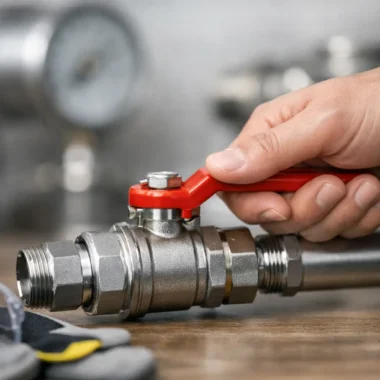
A gas valve in this format is generally chosen because it gives fast manual isolation and avoids the need for soldering. The lever handle gives an immediate visual indication of open or closed position, while the compression ends suit copper tube and make it useful for upgrades, appliance feeds and maintenance work. That sounds simple, but not every valve sold with a lever handle is suitable for gas duty, and not every compression valve is interchangeable across a system.
What is a gas lever compression valve?
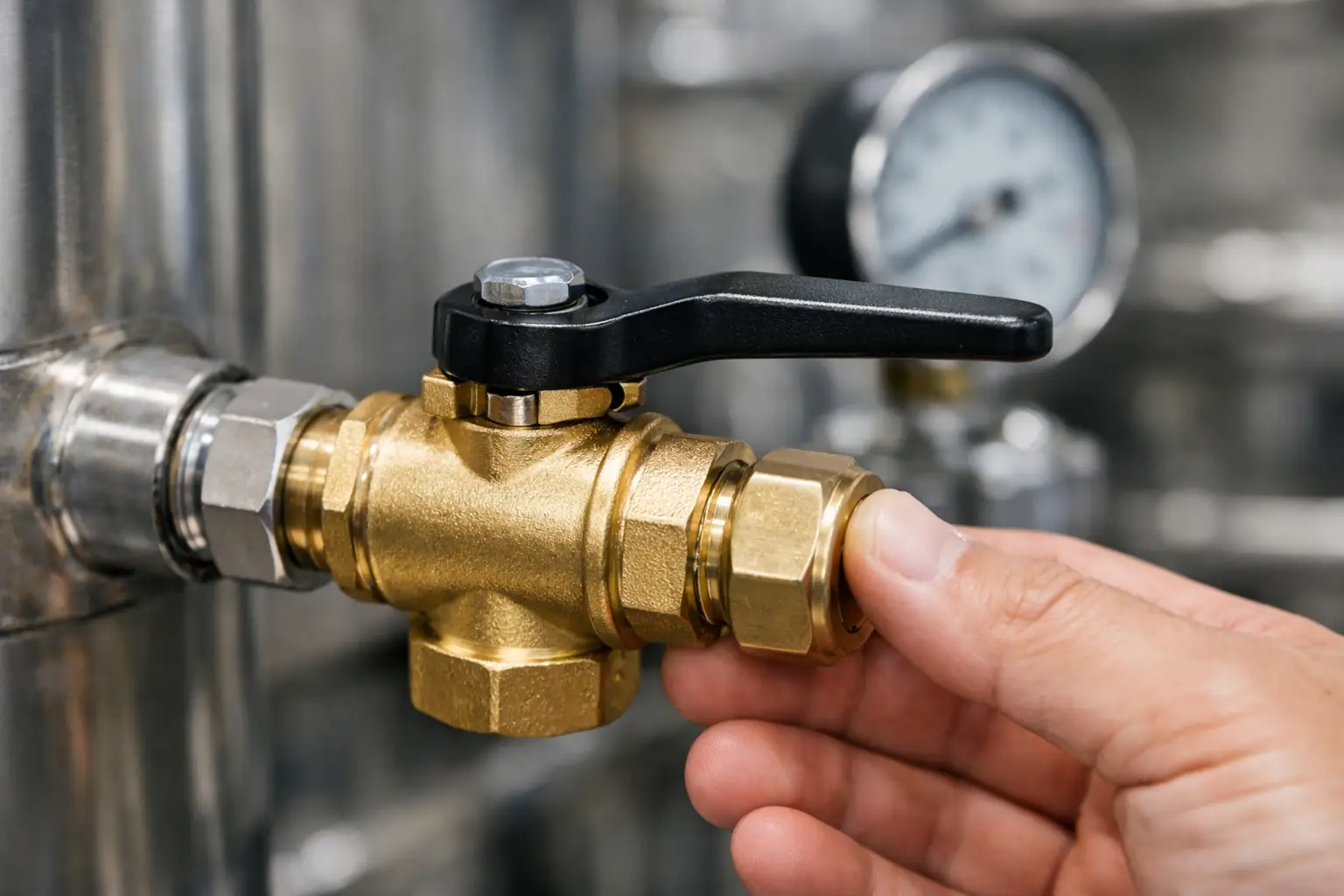
In practical terms, a gas lever compression valve is a quarter-turn isolation valve designed for gas pipework, with compression connections at each end. The body is typically brass, the handle is usually steel or coated metal, and the sealing arrangement is built for repeated manual operation without relying on a multi-turn stopcock action.
The key attraction is speed. On a service, repair or appliance change, being able to isolate a branch quickly is useful. Compression ends also mean no hot works, which can be a clear advantage in occupied properties, retrofit settings and smaller maintenance jobs where access is tight.
That said, the phrase can be used loosely in the market. Some buyers search for a gas lever compression valve when they simply mean a lever-operated compression ball valve. For gas work, that distinction matters. The valve should be explicitly suitable for gas applications and supplied to the relevant standard for the duty intended.
Where a gas lever compression valve is typically used
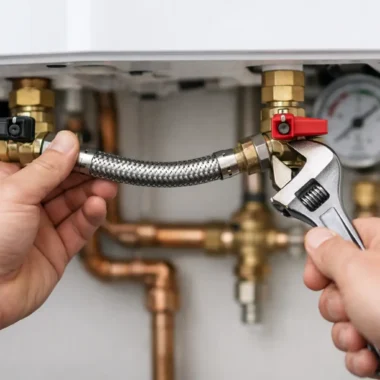
You will usually see this type of valve on domestic and light commercial gas lines where local isolation is needed. Common examples include appliance feeds, testing points within an accessible run, metre-adjacent arrangements where specified, or sections of system where future maintenance is expected.
It is not a one-size-fits-all answer. Final positioning depends on access, regulations, appliance requirements and the wider layout of the installation. A lever valve is practical because status can be checked at a glance, but it still needs to be installed where it can be operated safely and inspected easily.
For many installers, the appeal is less about the handle itself and more about reducing time. Compression joints can be made cleanly with the right prep, and a quarter-turn shut-off keeps servicing straightforward later on.
Choosing the right gas lever compression valve
The first check is the application rating. If the product is going onto gas pipework, it needs to be sold and marked as suitable for gas. That sounds obvious, but it is where mistakes happen, especially when buyers are comparing visually similar brass valves online.
After that, size is the main issue. Domestic installations commonly involve 15mm and 22mm copper tube, so the valve has to match the pipe outside diameter exactly. Trying to make a near match work with alternative olives or excessive tightening is asking for a leak path and wasted time.
Material quality matters as well. A decent brass body with a proper finish, clean threads and a solid lever mechanism will generally install more predictably than a lower-grade alternative. On gas pipework, there is no benefit in saving a small amount on a valve if it introduces doubt over sealing surfaces or long-term reliability.
You also need to think about space. Some lever handles require more turning clearance than others, and the body length can vary. In a boxed-in run, behind an appliance or close to another fitting, a few millimetres can decide whether the valve is practical or awkward.
Compression ends and pipe compatibility
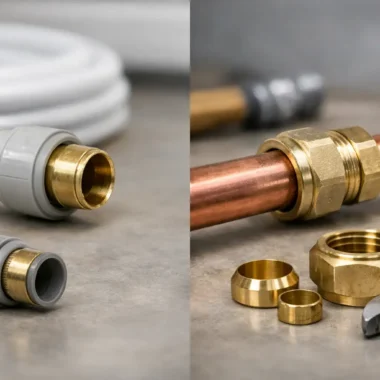
Most valves in this category are intended for copper tube. That is the normal expectation, but always check the product specification. Compression joints are simple in principle, yet they only stay simple when the pipe is clean, cut square and properly supported.
If you are replacing an older valve, inspect the existing pipe ends rather than assuming a direct swap. A scored section of tube, old olive marks or slight distortion can affect how confidently the new valve seals. Sometimes trimming back and starting fresh is quicker than trying to rescue a poor seating surface.
Handle position and access
On a serviceable installation, the handle needs to be usable without guesswork. A lever that fouls a wall, cupboard side or adjacent pipe is not much use when quick isolation is needed. For that reason, handle orientation is worth thinking through before final tightening.
This is one of those small planning points that can save frustration later. The valve may technically fit, but if the open and closed positions are awkward to reach or hard to read, it is not fitted well.
Common buying mistakes
The most common mistake is buying a general-purpose compression ball valve and assuming it is suitable for gas because the size and shape look right. Water and gas duty are not interchangeable by default. Product listing detail matters here, particularly where buyers are sourcing parts quickly.
Another issue is overlooking standards and approvals. Gas work is not the place for vague descriptions. Clear technical naming, stated compatibility and proper product information are worth more than a low headline price.
There is also the practical mistake of ignoring the rest of the assembly. A valve might be correct on paper, but if it is being installed into tired pipework, poor alignment or a section under strain, the resulting joint may still cause trouble. Compression fittings need the pipe to enter straight and sit correctly within the body.
Fitting considerations on site
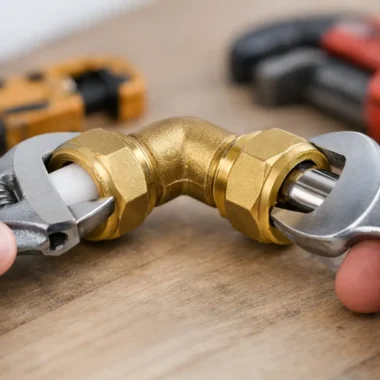
A gas lever compression valve is quick to install, but only if the basics are done properly. Cut the tube cleanly, deburr it, check for ovality and make sure the olive seats evenly. The joint should be tightened to achieve a sound seal, not forced until the fitting or pipe is marked beyond reason.
Pipe support is another point that gets missed on rushed jobs. If the valve is taking stress from misalignment or unsupported tube, the compression ends are doing more than sealing – they are trying to hold the assembly in shape. That is never ideal, especially on gas.
Cleanliness matters too. Swarf, dirt and damage around the joint faces can compromise sealing. On a straightforward maintenance call, that can be the difference between first-time success and extra time spent checking and remaking connections.
Only appropriately qualified persons should carry out gas work, and that is not just a line to satisfy compliance. Valve selection and installation both sit within a system that must be tested correctly after work is completed.
Gas lever compression valve vs other shut-off options
A lever-operated compression valve is popular because it balances speed, accessibility and easy installation. Compared with a traditional stopcock style valve, quarter-turn operation is simpler and more visible. Compared with solder-end options, compression is often more convenient where hot works are undesirable.
But there are trade-offs. Compression joints are excellent when made correctly, yet they rely heavily on pipe condition and assembly quality. In some planned installations, other end connections may suit the wider system better. It depends on access, installer preference, specification and whether the priority is speed of replacement, long-run layout or consistency with existing components.
There is also the question of cost against time. A cheaper valve that is awkward to fit, poorly finished or unclear in its application can cost more in labour and hassle than a better specified item from the start.
What to look for when ordering online
For trade buyers and maintenance teams, the product page should tell you what you need without any guesswork. The valve type, size, end connection, gas suitability, body material and pricing should all be clear. If those basics are not obvious, it slows the buying decision and increases the risk of ordering the wrong part.
Stock depth matters as much as description. If you are trying to keep a job moving, there is little value in finding the right valve if availability is uncertain. That is why many installers prefer specialist suppliers such as Mepstock, where fittings and valve lines are grouped in a way that reflects actual installation work rather than generic retail browsing.
It also helps when ex. VAT and inc. VAT pricing is visible up front. For trade accounts, that speeds ordering. For competent DIY buyers, it makes budgeting clearer and avoids confusion at checkout.
When a gas lever compression valve is the right choice
If you need a clear, manual shut-off point on compatible gas pipework and want a straightforward installation without soldering, this type of valve is often the sensible option. It suits maintenance work, appliance changes and many domestic gas applications where accessible isolation is required.
The main thing is not to treat it as a generic brass fitting. Check the gas rating, match the pipe size, make sure the handle can operate properly and pay attention to the condition of the tube you are connecting to. A valve is a small component, but on a live job it carries a lot of responsibility.
Choose it with the same care you would give any other critical connection point, and the rest of the work tends to go more smoothly. That is usually what matters most – getting the right part first time and moving on with the job.