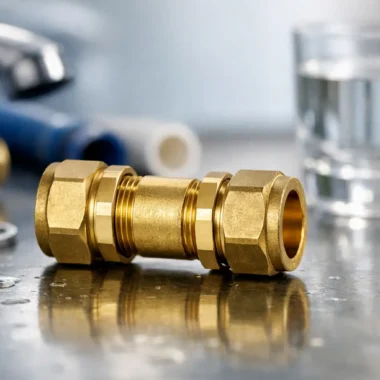
When a job needs a clean copper joint without carrying separate solder sticks, solder ring fittings are usually the first option many installers reach for. Solder ring fittings use is straightforward in principle – copper pipe goes into a pre-soldered capillary fitting, heat is applied, and the solder flows to form the seal – but the result still depends on prep, pipe condition and correct application.
Where solder ring fittings use makes sense
Solder ring fittings are designed for copper tube systems where speed and consistency matter. Because the solder is already contained within the fitting, they help reduce handling on site and keep van stock simpler. For maintenance work, first fix alterations and smaller domestic installs, that convenience is often the main selling point.
They are commonly used on hot and cold water services, central heating pipework and general domestic plumbing repairs. In occupied properties, they can be particularly useful where you want to make up a reliable capillary joint quickly and keep the amount of kit on the floor to a minimum. Elbows, tees, couplers and reducers are the usual core fittings, so most standard pipe runs can be completed without changing joining method.
That said, they are not automatically the right answer for every copper installation. If pipework is badly oxidised, access is poor, or there is a high risk of residual water sitting in the line, the convenience of the pre-loaded solder does not cancel out the usual soldering issues. In those cases, the fitting type is only part of the equation.
What solder ring fittings are actually used for
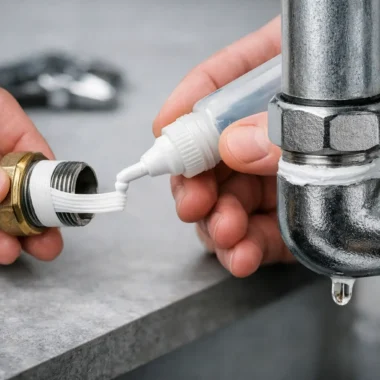
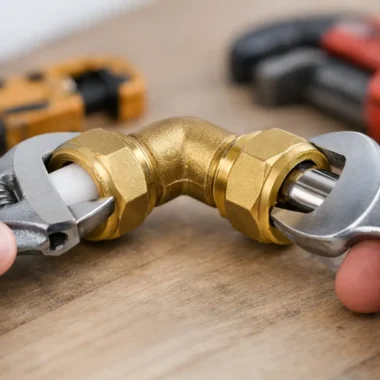
In practical terms, solder ring fittings are used to create permanent capillary joints on copper pipe. Once heated correctly, the internal ring of solder melts and is drawn by capillary action into the gap between fitting and pipe. That creates the mechanical and watertight bond.
On domestic systems, this makes them suitable for routine pipework runs, branch connections, cylinder cupboard work, airing cupboard alterations, radiator tails and general repair sections where copper remains the preferred material. Many installers also use them where a neater finished appearance is wanted, because the fitting profile is compact and there is no external compression nut left visible.
They are also useful where repeatability matters. On a run of standard fittings, having the solder pre-measured inside each fitting can make output more consistent than manually feeding solder, particularly on straightforward work. It does not remove installer skill from the process, but it does take out one variable.
Why installers choose them over end feed or compression
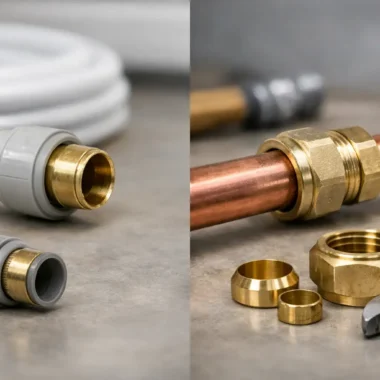
The main comparison is usually against end feed and compression fittings. Compared with end feed, solder ring fittings save a step because the solder is already in place. That can speed up installation, especially on routine domestic copper work where the pipe is clean, dry and easy to access. For a plumber doing several joints in sequence, the time saving is real.
Compared with compression, solder ring fittings give a more compact and often tidier result. They are also less dependent on spanner clearance once the pipe is inserted, which can help in tighter spaces. Material cost can be lower than some compression options as well, depending on size and fitting type.
But there are trade-offs. Compression remains useful where heat is a problem, such as near sensitive finishes, timber risk areas or where draining down fully is difficult. End feed can also be the more economical option on larger jobs if the installer is already set up to work that way and wants more control over solder quantity. So while solder ring fittings use is common, it is not universal.
Installation basics that affect performance
Most failures blamed on fittings come back to prep. Copper pipe needs to be cut square, deburred and cleaned properly before the joint is made. The fitting socket also needs to be clean. If either surface is contaminated, oxidised or greasy, solder flow will be compromised.
Flux still matters. Even with pre-soldered fittings, using the correct amount of suitable flux on clean pipe helps the solder run properly and supports a sound capillary joint. Too little flux can lead to poor flow. Too much creates mess, increases cleaning time and can contribute to corrosion issues if residue is left behind.
Heat control is just as important. The aim is to heat the fitting evenly so the solder ring melts and is drawn around the joint. Overheating can burn the flux, oxidise the copper and leave a poor finish. Underheating may produce a partial joint that looks acceptable on one side but has not fully taken around the circumference.
Residual water is the classic problem. If there is moisture sitting in the pipe, it will absorb heat and can stop the fitting reaching soldering temperature. On repair work, especially downstairs on vertical drops or heating circuits that have not drained fully, that is often the difference between a clean joint and wasted time.
Common applications by system type
Hot and cold domestic water
This is where solder ring fittings are most commonly specified. Standard copper distribution pipework in airing cupboards, under floors, in service voids and around cylinders is a typical use case. On these systems, the fittings provide a permanent connection with a familiar installation method and a finish most installers trust.
For potable water systems, product suitability matters. Buyers should always check the fitting specification, material standard and any approval requirements relevant to the installation. On projects where compliance is part of the handover expectation, that detail should be confirmed before ordering rather than on site.
Central heating circuits
Solder ring fittings are also widely used on sealed and open-vented heating systems, particularly on radiator branches, boiler-side copper work outside manufacturer-specific connection sets, and replacement sections during maintenance. Their compact form helps around floor penetrations, boxing and general retrofit work.
Temperature performance is not usually the issue on standard heating pipework when the correct fitting is used. The bigger concern is often condition of the existing copper. Older heating systems can leave pipe with internal and external contamination, and that can make jointing less predictable unless the pipe is cut back to clean material.
Repair and alteration work
For small copper modifications, solder ring fittings are often the quickest permanent option. If you are extending a branch, replacing a damaged section or moving a service slightly, they keep the fitting selection simple and installation fast. This is one reason they remain a staple stock item for both trade buyers and competent DIY users.
Limits and situations where they are a poor fit
Solder ring fittings are not ideal where naked flame working is restricted or where there is significant fire risk without proper protection and permits. They are also a poor choice where the line cannot be dried effectively. A compression or press solution may be more practical in those conditions.
They are specifically for copper tube applications, so compatibility with the rest of the system needs checking. On mixed-material systems, transitions should be made with the correct dedicated fittings rather than trying to make a standard capillary fitting solve every connection point.
There is also the issue of access. Although they are compact once installed, they still need enough room for proper cleaning, insertion and safe heat application. If the torch cannot be positioned correctly, joint quality becomes harder to guarantee. What looks possible on paper is not always practical in a tight cupboard or behind fixed sanitaryware.
Sizing and buying considerations
Most domestic demand centres on standard UK copper sizes such as 15mm and 22mm, with 28mm appearing on larger distribution and heating sections. The key is buying by actual pipe size, fitting pattern and job type rather than by appearance alone. A coupler, equal tee, reducing tee and street elbow may look like a small variation on screen, but choosing the wrong pattern costs time on site.
Material quality and manufacturing consistency also matter. On repeat work, installers want fittings that seat properly on tube, heat evenly and provide predictable solder flow. Cheap inconsistencies in socket tolerance or finish can turn a routine install into a call-back risk.
This is where a specialist supplier matters. Buyers looking for copper jointing products usually want clear sizing, technical naming and stock they can get quickly, not vague descriptions. Mepstock serves that practical need by keeping the product structure focused on fit, application and fast identification.
Getting the best result from solder ring fittings use
Used correctly, solder ring fittings are a reliable, efficient option for copper plumbing and heating work. They suit standard domestic installations, repair jobs and retrofit alterations where permanent capillary joints are wanted and site conditions allow proper soldering practice.
The key is not treating them as a shortcut. Clean pipe, correct flux, full insertion, controlled heat and dry conditions still decide the outcome. Get those right, and solder ring fittings remain one of the simplest ways to produce a tidy, durable copper joint without overcomplicating the job.