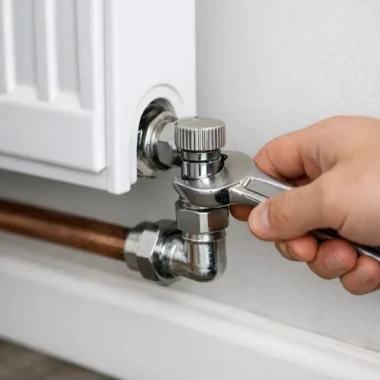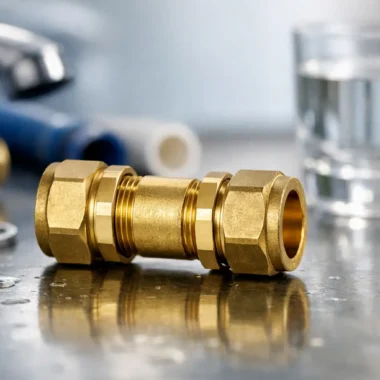

A solder ring reducing coupling copper plumbing pipe fitting solves a straightforward but common installation problem: joining two copper tubes of different diameters without adding unnecessary complexity to the run. It is a permanent capillary fitting with solder already housed inside the socket, designed for a clean, compact connection on domestic hot and cold water, central-heating and suitable low-pressure pipework.
For a plumber repairing an older installation, the fitting may be the quickest route from 22 mm down to 15 mm at a branch. For a competent DIY buyer, it is a reliable option when the pipe sizes, joint preparation and heating method are correct. The fitting itself is simple. Getting a leak-free joint depends on the details around it.
What a solder ring reducing coupling does
A reducing coupling joins two pieces of copper pipe with different outside diameters. Each end of the fitting has a different socket size, such as 22 mm x 15 mm or 28 mm x 22 mm. The pipe enters fully into each socket, with the internal stop positioning it at the correct depth.
Unlike an end-feed fitting, a solder ring coupling contains a pre-measured ring of solder in each socket. Once the joint has been cleaned, fluxed and heated evenly, the solder melts and is drawn into the capillary gap between pipe and fitting. A small, continuous bead at the mouth of the socket is normally the sign that the solder has flowed.
This is useful where a neat, fixed reduction is needed and there is adequate access for a blowtorch. It avoids relying on a compression olive, leaves no nut to tighten and creates a low-profile joint that is well suited to concealed-but-accessible pipe runs. It is not, however, a fitting to use where the pipework may need routine dismantling later.
Selecting the right reducing coupling copper fitting
Start with the nominal pipe sizes at both sides of the joint. UK copper plumbing tube is generally specified by outside diameter, so a 22 mm x 15 mm reducing coupling accepts 22 mm copper tube at one end and 15 mm tube at the other. Do not estimate from appearance, particularly on existing systems where 15 mm, 22 mm and 28 mm pipe can look similar in a tight cupboard or floor void.
Check that both pipes are copper and that the proposed fitting is suitable for the service. Standard copper solder fittings are widely used for water and heating installations, but the wider system still dictates the correct materials. Consider working temperature, pressure, water quality, the presence of inhibitors and any manufacturer requirements for the appliance or valve being connected.
A reducing coupling changes pipe capacity. Reducing a 22 mm run to 15 mm can be entirely appropriate for a final branch to a basin, radiator or individual outlet. It may be less suitable on a high-demand feed where flow rate and pressure loss matter. The correct pipe size should follow the design of the system, not simply the fitting available in the van.
Solder ring or end-feed?
Solder ring fittings are often faster on routine work because the solder quantity is already in the fitting. They also make stock selection easier when carrying common sizes for repair work. With end-feed fittings, solder is applied separately at the joint, allowing the installer more control over the amount used.
Neither type removes the need for good preparation. A poorly cleaned solder ring fitting can fail just as readily as an end-feed joint. Where several joints sit close together, some installers prefer end-feed because it can offer more control during staged assembly. For a single reducer in an accessible location, a solder ring coupling is usually the practical choice.
Preparing copper pipe for a sound joint
Capillary soldering is unforgiving of dirt, oxidation and moisture. The aim is a close, clean fit that allows molten solder to travel evenly through the joint. Cutting the pipe square is the first step. Use a suitable pipe slice or fine-tooth cutter and avoid crushing or distorting the tube.
Remove the internal burr after cutting. A burr can restrict flow, create noise in service and prevent the pipe from seating properly. Lightly clean the outside of each pipe end back to bright copper for slightly more than the socket depth. Clean the inside of the fitting socket only if required by the manufacturer and do not scratch it excessively.
Apply a thin, even layer of appropriate flux to the cleaned pipe only, then insert the tube fully into the coupling. Too much flux is not better. Excess residue can remain in the system and, over time, contribute to corrosion. Assemble the pipework accurately before heating, ensuring it is properly supported and not under strain.
If working on an existing system, isolate and drain it fully. Any water left in the pipe can prevent the joint from reaching soldering temperature. Persistent water tracking through a vertical pipe is a common reason for failed joints. Dry the section properly before attempting the connection rather than repeatedly overheating the fitting.
Heating and soldering the reducing coupling
Use a suitable blowtorch and heat the fitting body, not one spot on the pipe. Move the flame steadily around the larger socket and then the smaller socket so both ends reach temperature evenly. The larger copper mass will generally need more heat, especially with 28 mm pipe or when the fitting is close to a valve body or heavier component.
When the solder reaches melting point, it will flow into the capillary space. Do not keep applying aggressive heat once the solder has run. Overheating burns the flux, oxidises the copper and can damage nearby components. Remove the flame and allow the joint to cool naturally. Do not disturb the pipework while the solder is setting.
After cooling, wipe away flux residue with a damp cloth. The finished joint should show a fine, even solder line around each socket mouth. A large lump of solder is not evidence of a better seal. It often indicates excessive heat, poor control or an attempt to compensate for inadequate preparation.
Common faults and how to avoid them
The most frequent failure is a dry joint, where solder has not fully drawn into the capillary gap. This usually comes down to insufficient cleaning, inadequate heat, water in the pipe or moving the fitting before it cools. Taking the joint apart, cleaning it properly and using a new fitting is normally more dependable than trying to rework a questionable connection in place.
Another issue is heating a previously soldered joint too close to the new reducer. Solder can soften in neighbouring fittings, allowing pipework to shift or creating a leak where there was not one before. Use heat protection where appropriate, plan the order of joints and leave enough spacing between fittings. If working near plastic components, isolation valves, meter parts or appliance connections, follow their temperature limits and use an alternative jointing method where necessary.
Do not solder directly onto pipework that is still connected to sensitive equipment. Boiler manufacturers, valve suppliers and appliance instructions may specify a minimum distance from heat or require components to be removed before soldering. This is particularly relevant in tight utility cupboards, airing cupboards and under-floor plant areas.
Inspection, testing and buying considerations
Once the work is complete, test the system before boxing in the pipework or restoring finishes. For water services, refill slowly, vent air and inspect every new joint under normal operating pressure. Heating systems should be refilled, vented and pressure-tested in line with the system and equipment requirements. A dry tissue passed around the joint can reveal a slight weep that is easy to miss visually.
When ordering, specify both sizes in the correct order, for example 22 mm x 15 mm reducing coupling. Check the quantity needed, as reducers are often used in pairs around valves, manifolds or altered branches. It also makes sense to order compatible copper tube, clips, flux and isolation components at the same time, particularly when the repair needs completing without a return trip.
Mepstock stocks specialist plumbing components in the sizes tradespeople use every day, helping keep repair and installation work moving. Choose the reducer to suit the pipe design, prepare the copper carefully and give the joint the time and heat control it needs. That is what turns a small fitting into a dependable part of the system.